

One of the most effective and straightforward ways to safeguard your health is through routine skin examinations. With over four decades of combined experience, we, as dermatologists, have witnessed the crucial impact of early detection. Skin cancer may initially manifest as a subtle alteration that can easily go unnoticed; however, when identified promptly, the five-year survival rate for melanoma can reach approximately 99%. Taking preventative action doesn’t require waiting for symptoms. In this article, we will discuss the importance of conducting home skin assessments as well as professional evaluations, making this one of the most significant steps for your health.
The Importance of Regular Skin Checks
Identifying skin cancer at its early stages markedly enhances treatment effectiveness and can often be lifesaving. For instance, the five-year survival statistics for melanoma rise to nearly 99% when detected early, but this figure diminishes considerably with delayed diagnoses. Therefore, incorporating regular skin checks—both personally and with a dermatologist—is not just a beneficial habit; it serves as a proactive preventive measure. Familiarizing yourself with the condition of your skin and tracking any variations enables you to take a proactive stance on your overall health. It represents a small yet vital step that may change your life.
Who Should Undergo Routine Skin Examinations?
Although skin cancer can develop in anyone, certain characteristics may elevate your risk. These can include having light skin, a record of sunburns, multiple moles, a familial or personal history of skin cancer, or frequent unprotected sun exposure. Nonetheless, even individuals without obvious risk factors can gain from regular skin evaluations. Skin cancer can impact individuals of all ages, ethnicities, and lifestyles. Thus, we advocate for making skin checks a fundamental aspect of your preventive healthcare, no matter your background. If you’re due for an examination or require expert assistance, consider scheduling a skin evaluation with a reliable provider like the Gregory Street Skin Cancer Clinic. Recognizing and routinely checking your skin is one of the most empowering actions you can take toward ensuring your long-term health.
Recognizing Signs: The ABCDEs of Skin Cancer
Being knowledgeable about what to look for can assist you in detecting skin cancer at its most treatable stages. Dermatologists utilize the ABCDEs of melanoma to identify concerning moles or patches:
- Asymmetry: One side appears different from the other.
- Border: Edges that are irregular, jagged, or notched.
- Color: Varied colors or multiple hues (brown, black, red, etc.).
- Diameter: Exceeds 6mm (about the size of a pencil eraser).
- Evolving: Any modifications in size, shape, color, or texture.
If you observe any of these indicators or a spot that seems abnormal in any way, it’s essential to arrange a professional skin examination. Prompt attention can be life-saving.
The Importance of Professional Skin Assessments
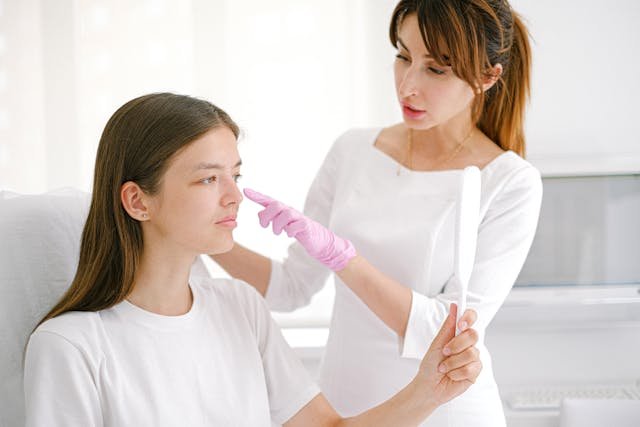
While self-examinations serve as an excellent initial step, a professional skin check provides an expertise that is hard to replicate at home. During a skin examination conducted by a dermatologist, all areas of your body—from scalp to soles—are meticulously evaluated for unusual moles, spots, or growths. Dermatologists employ specialized instruments like dermatoscopes, allowing them to detect subtle differences that might escape the naked eye. This assessment is brief, painless, and typically takes about 10 to 15 minutes. Even if no issues are evident, having a professional establish a baseline for your skin health can be invaluable in the long run. Together, self-examinations and annual professional evaluations create a robust routine for early detection and reassurance.
How to Prepare for a Skin Examination
Preparing for your skin check is straightforward, and taking a few small steps can enhance the effectiveness of your visit. On the day of your appointment, refrain from applying makeup, nail polish, or heavy lotions to ensure your skin is fully visible. Choose loose-fitting clothing that is easy to remove since your dermatologist will assess your entire body, including areas you might not normally consider, such as the scalp, back, or feet. It can also be helpful to make a note of any spots that have changed, itched, or bled. If it’s your first visit, being aware of your family history regarding skin cancer can provide useful context. A bit of preparation will help maximize the benefits of your appointment with greater confidence and ease.
Taking Your Next Step Can Be Life-Saving
Don’t wait for warning signs to prioritize your health. A quick, professional skin check can identify potential issues early and bring you peace of mind. Book your appointment today; your future self will undoubtedly appreciate it.