

Early detection is key to effectively treating breast cancer, yet differing guidelines can make it difficult to know when to start mammogram screenings. This guide clarifies the most up-to-date recommendations, empowering you to make knowledgeable health choices.
Understanding Mammograms and Their Significance
A mammogram is a specialized X-ray examination of the breast designed to identify any irregularities or changes in the breast tissue prior to them being felt or noticed. This technique remains the most effective method for early breast cancer detection, often dictating whether a lump can be treated via minor surgery or if a more intensive treatment plan is required.
The screening version involves taking two X-ray images of each breast to catch potential cancer before symptoms manifest. In contrast, diagnostic mammograms are performed when a medical professional or patient identifies an abnormality such as a lump, pain, or unusual discharge.
According to the American Cancer Society, when breast cancer is diagnosed early and before metastasis, the five-year relative survival rate hovers around 99%, whereas rates for later detection decrease significantly. This statistic serves as a compelling reminder of the importance of regular mammograms.
Mammogram Guidelines Based on Age
There isn’t a universal answer to screening frequency, but age significantly influences when to initiate and how often to continue these tests.
Under 40
Generally, individuals under 40 are advised against routine mammograms unless they fall into a high-risk category. A family history of breast cancer, genetic mutations like BRCA1 or BRCA2, or a personal history may necessitate earlier screenings. It’s essential to discuss your personal risk with your healthcare provider.
Ages 40-49
This age group presents some ambiguity, with various health organizations suggesting screenings start either at age 40 or 45. The critical factor is making a shared decision with your physician based on your family history, lifestyle choices, and overall health to determine the best timing.
Ages 50-74
This is considered the prime time for routine screening. The U.S. Preventive Services Task Force and most health agencies suggest mammograms every two years for women in this range, while those at higher risk might opt for annual screenings.
75 and Older
Screenings may still have advantages depending on your overall health and life expectancy. For healthy individuals willing to undergo treatment if breast cancer is detected, continuing screenings could be beneficial. Again, this choice is best made in conversation with your healthcare provider.
The essence is that age serves as a guideline, but personal risk factors should influence your decision. Lifestyle habits such as alcohol intake, lack of exercise, or prolonged hormone replacement therapy can also affect your risk profile and screening schedule. Consulting your physician will help customize a screening plan suited to your unique needs.
Factors Affecting When to Begin Screening
While age is a crucial factor, other elements may dictate when and how often you should undergo mammography.
Family History
If breast cancer has occurred in close relatives, especially prior to menopause, your risk increases significantly. Many experts suggest beginning regular screenings 10 years before the age at which your relative was diagnosed.
Genetic Factors
Mutations in the BRCA1 and BRCA2 genes can considerably heighten the risk of breast cancer. Individuals with these mutations often commence mammography and MRI screenings as early as their 30s. If you suspect you may have these genetic factors, consider discussing testing options with your healthcare provider.
Breast Density
Having dense breast tissue not only elevates the risk of cancer but also complicates the visibility of tumors during standard mammograms. If this applies to you, medical professionals might suggest additional screenings such as ultrasounds or MRIs.
Prior Radiation Therapy
If you have received radiation treatment to the chest region before turning 30 for conditions like Hodgkin’s lymphoma, initiating annual mammograms and breast MRIs is advised, starting eight to ten years post-treatment.
Ethnicity
Statistics show that Black women are often diagnosed with more aggressive breast cancer types at younger ages. This emphasizes the necessity for culturally competent healthcare and timely access to screenings.
Hormonal Exposure
Extended use of hormone replacement therapy may elevate your risk. Your doctor might recommend more frequent mammograms if you are currently on such a regimen.
Every individual’s body is distinct. Recognizing your risk factors is crucial for establishing an effective screening plan tailored to your needs. As your risk profile might evolve over time, it’s beneficial to reevaluate your screening strategy every few years, even if you are currently adhering to one.
When to Seek Earlier Evaluation
Your body can sometimes exhibit signs before it’s time for your scheduled screening. Even if you’re beneath the standard age for routine mammogram checks, certain symptoms should prompt you to arrange a screening or at least consult your healthcare professional. These indications don’t necessarily imply cancer, but should not be overlooked:
- Redness, flaking, or scaling skin on the breast or nipple
- Inversion or sudden alterations in nipple appearance
- Persistent localized pain
- The emergence of a new lump or thickening around the breast or underarm area
- Swelling or noticeable changes in the size or shape of the breast
- Irritation or dimpling in the skin
- Discharge from the nipple that is bloody, clear (if you are not breastfeeding), or milky
Many changes in breast health are harmless, but a timely imaging scan can provide either reassurance or facilitate prompt action if necessary. Trusting your instincts is vital; do not postpone seeking help based solely on the belief that it may be insignificant.
If you notice any of these changes, remain calm, yet proactive. Make an appointment with your healthcare provider to discuss potential next steps, which may involve a diagnostic mammogram, ultrasound, or physical examination. Early action enhances your options and brings peace of mind. In breast health, prompt attention is a key to prevention.
Debunking Common Myths About Mammograms
Myths should never hinder your health decisions. Despite the prevalence of mammograms, several misconceptions continue to exist, leading some to avoid these essential screenings. Here’s a fact-check on some popular myths:
- Mammograms are very painful: While you might experience some discomfort due to breast compression, the actual procedure is brief—usually just a few seconds per image. Many find that their pre-procedure anxiety is worse than the test itself.
- “I feel fine, so I don’t need one”: Many early-stage breast cancers do not manifest symptoms or pain. This is precisely why screening is critical—to uncover issues that are otherwise undetectable.
- They involve excessive radiation exposure: Mammograms utilize an exceptionally low dose of radiation, less than that of a typical chest X-ray, and remain within safe limits. The advantages significantly outweigh any risks.
- Only those with familial histories require screening: Most breast cancer cases occur in individuals without any family history of the disease. Genetics represents only one of a multitude of risk factors.
- “I’m either too young or too old for a mammogram”: Recommendations for screening hinge on risk factors, not solely age. If you have concerns or symptoms, don’t hesitate to consult your doctor, no matter your age.
If uncertain, it’s essential to consult a healthcare professional. It’s better to clarify your apprehensions than to delay a potentially life-saving screening due to outdated beliefs. Discarding these misconceptions fosters a culture of well-informed patients who are proactive about their health.
What to Anticipate During Your First Mammogram
You’ve successfully scheduled an appointment. What next? Familiarizing yourself with the mammogram process can alleviate apprehensions and help you feel more at ease. Here’s a general outline of what to expect.
Before Your Appointment
Avoid applying deodorants, creams, or powders under your arms or on your breasts, as they could interfere with imaging. Dress in a two-piece outfit, as you’ll need to remove your top. If available, bring your insurance details and any prior imaging results.
During the Procedure
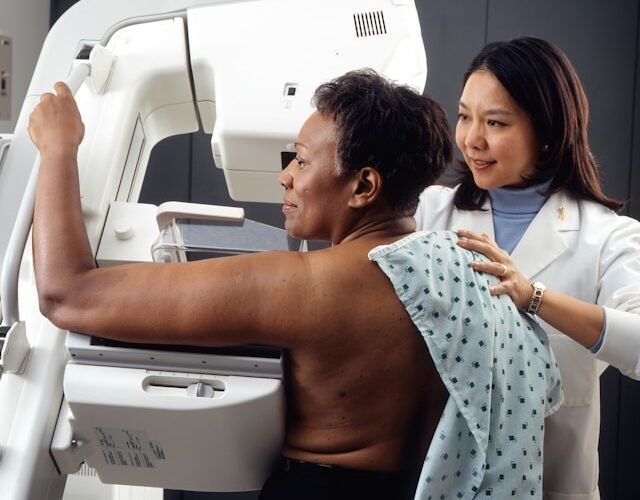
A technician (usually female) will guide you in positioning each breast on a flat plate of the mammography machine. Another plate will compress the breast momentarily to flatten the tissue.
This may feel tight or uncomfortable, but it shouldn’t be excessively painful. Typically, two images of each breast will be captured—one from above and one from the side.
After the Examination
You can go back to your regular activities afterward. Results are generally communicated to your referring physician within a few hours or days, depending on the facility. If anything appears ambiguous or requires additional evaluation, your physician may suggest a follow-up mammogram or ultrasound.
Most imaging centers prioritize patient comfort, ensuring a calming atmosphere, supportive personnel, and prompt result delivery. For many, the anticipation of the procedure often turns out to be the most challenging part.
Determining When to Get a Mammogram
While one screening is excellent, maintaining regularity is crucial. The frequency of your mammograms will depend on factors such as age, risk level, medical history, and your doctor’s advice. Nevertheless, general guidelines provide a valuable foundation.
For those at average risk:
- Ages 40-49: Every 1-2 years, based on individual risk and personal choice
- Ages 50-74: Generally suggested every two years
- Ages 75 and older: Continues based on health and personal preferences
For individuals at higher risk—such as those with familial histories, genetic mutations, or dense breast tissue:
- Screenings often commence sooner, sometimes as early as 30.
- Annual mammograms may be required, along with supplemental imaging, like MRIs or ultrasounds.
Bear in mind that mammograms are not diagnostic but are essential for flagging potential issues that merit further investigation. This emphasizes maintaining a steady screening schedule, even when you feel well. Your healthcare provider may also adjust your screening frequency based on your health, hormone use, or previous imaging results.
Mammogram Coverage and Insurance Considerations
While screenings are crucial, will your insurance plan support them? In most instances, yes. Under the Affordable Care Act, most health insurance providers must cover screening mammograms for women over 40 annually or bi-annually without additional costs. Yet, specifics may vary by plan. Keep these points in mind:
- Screening mammograms are typically fully covered.
- Diagnostic mammograms (conducted when symptoms arise or additional assessments are needed) may incur co-pays or deductibles.
- Medicare covers mammograms once a year for women starting at age 40.
- For those who are uninsured or underinsured, several imaging facilities provide cash-pay options or collaborate with nonprofit organizations for assistance.
At Envision Imaging, patient-centered care prioritizes helping you navigate your medical and financial choices. The center accepts a variety of insurance plans and communicates pricing transparently. If you’re unclear about what your plan entails, reach out to your insurance provider. Alternatively, allow your imaging facility to assist you with any inquiries.
Selecting the Right Imaging Center
When choosing an imaging center, consider the following factors:
- Accreditation: Confirm the center possesses accreditation from the American College of Radiology or other reputable organizations.
- Qualified Staff and Certified Radiologists: Select centers with technologists specialized in breast imaging and radiologists who excel at interpreting results.
- Quick Result Turnaround: Delays in receiving results can be anxiety-inducing.
- Flexible Scheduling: Find centers that provide weekend, evening, or immediate appointments.
- Transparent Communication: Clear dialogue regarding billing procedures and what to expect during your screening enhances the experience.
Take Charge of Your Breast Health
Timing is crucial when it comes to breast health. Detecting issues early can be life-saving, and achieving peace of mind starts with that initial step. At Envision Imaging, you will experience prompt, accurate results, compassionate staff, and a soothing environment designed to facilitate your comfort. With flexible scheduling and expert teams, maintaining your health through screenings has never been more accessible.
Envision Imaging offers top-tier diagnostic services, including mammograms, CT scans, and MRIs, all within clean, calming settings across the southern and western United States. With advanced technology, quick result delivery, and empathetic care, prioritizing your well-being has never been so manageable.
Aaron Ramsay, who leads Envision Radiology as CEO, boasts over 20 years of expertise in leadership, financial strategy, and business management.