

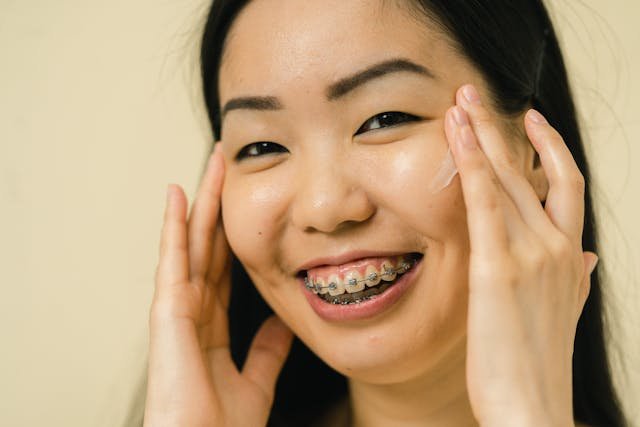
Are you contemplating straightening your teeth but find yourself hesitant due to concerns about eating or how you’ll appear? Fortunately, many myths surrounding adult braces have been dispelled by dental professionals. Here are some prevalent misconceptions about braces for adults and the reality behind them.
1. Braces Are for Kids Only
If you were to travel back in time to the 1970s or 80s, you might believe that braces were exclusively for adolescents. Although some adults did wear braces back then, they were primarily seen as a treatment for teenage dental issues. Nowadays, orthodontists report that an impressive one in three patients seeking treatment is an adult.
2. Eating With Braces Is Difficult
Refuting the earlier myth, it would be apparent that many adults manage to eat comfortably after undergoing orthodontic treatment. Children in braces adapt just as well after they get past the initial discomfort and soreness.
Though it takes a little time to get used to braces, your eating patterns will eventually normalize. However, it is true that you need to be cautious with certain foods—hard, sticky, or acidic items should be limited while wearing braces.
3. Braces Are Just for Looks
It’s entirely natural to desire a more attractive smile, and many adults pursue braces for cosmetic purposes. However, the benefits of adult braces extend beyond aesthetics. Many patients have misalignments and dental issues that were not addressed during their teenage years.
Braces can rectify crooked or damaged teeth, both of which can lead to oral health problems and make eating more challenging. Far from hindering, they actually aid in restoring your ability to eat comfortably.
4. Braces Are Unsightly on Adults
Returning to the past, one can see how braces affected children’s self-esteem back then. Those who needed braces often faced challenges like overcrowding or gaps, with limited aesthetic choices.
Today, however, modern braces come in much sleeker and less noticeable designs, including clear aligners and tooth-colored brackets. They are designed to be more visually appealing, alleviating concerns over appearance.
5. Metal Braces Will Set Off Metal Detectors
Even if your braces contain metal components, the medical-grade stainless steel used today is specifically crafted not to trigger metal detectors, as noted by the Jacksonville University School of Orthodontics in 2012.
With newer options available, traveling with braces is now hassle-free. If you still have concerns, non-metal alternatives can be considered.
6. Braces Aren’t Needed After Childhood Treatment
While early orthodontic treatment lays a solid foundation, it doesn’t eliminate the possibility of needing braces later in life. As one ages, teeth tend to shift naturally, particularly after extractions. Additionally, habits such as grinding or clenching can lead to complications that orthodontic treatment can address.
Common Myths About Adult Braces
Myths often arise in the face of uncertainty about change, whether related to health, profession, or community events. These false beliefs can snowball into widespread rumors.
Many of the misconceptions surrounding adult braces date back to earlier times. In today’s age of information, it’s easier than ever to debunk these myths. So if you’re contemplating adult braces, you can confidently dismiss these six misunderstandings.