

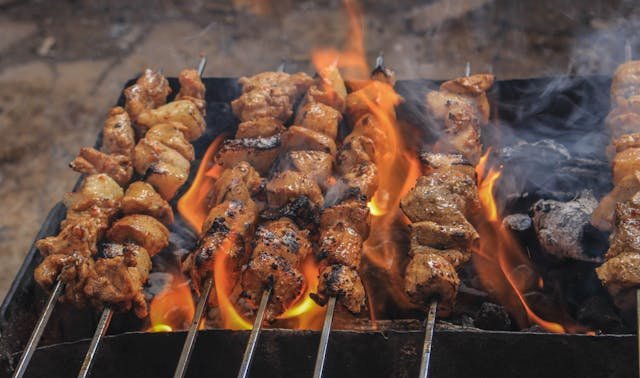
BBQ seasonings are a unique blend of time-honored practices and modern innovations. For generations, they have elevated ordinary cuts of meat into spectacular dishes. Particularly in areas where BBQ is more than just a meal—it’s a festive occasion—these seasonings carry significant cultural weight. For both amateur cooks and seasoned professionals, comprehending the key components and techniques of BBQ seasoning is crucial as they greatly influence the flavor and quality of the final product. These seasonings not only provide complexity but also enhance the overall eating experience, transforming meals into tantalizing sensory delights.
This article will explore the vital components of BBQ seasonings, how traditional spices cooperate with novel flavor enhancers to create harmonious tastes, as well as the art of crafting bespoke blends tailored to regional and personal preferences. Additionally, we’ll cover effective methods for marinating meats and veggies to optimize flavor absorption, alongside cooking techniques such as smoking and grilling that amplify the impact of the seasonings. Lastly, we will discuss how to pair the right BBQ seasoning with various dishes to ensure each BBQ gathering is a delightful culinary experience.
The Backbone of Flavor: Key Ingredients
An exceptional BBQ seasoning begins with a foundation of fundamental ingredients that together create a delicious and harmonious flavor profile. Staples such as paprika, black pepper, garlic powder, and onion powder form the core, delivering comforting and recognizable tastes. Salt and sugar are essential as they enhance flavors, balancing savory elements with sweet undertones.
To further deepen the flavor, ingredients like smoked salts, liquid smoke, and spices such as cumin and coriander are often included. Each ingredient plays a specific role, whether it’s imparting heat, adding earthiness, or bringing subtle sweetness or acidity to the mix. This blend results in a rich and intricate seasoning that significantly elevates the overall BBQ experience. By grasping the contribution of each component, you can appreciate the artistry involved in crafting a seasoning that truly delights the palate.
Personalizing Flavor: Custom Blends and Varieties
Developing personalized BBQ blends allows for a unique cooking adventure tailored to individual tastes and dietary considerations, as well as regional preferences. Whether you’re accommodating specific flavors or nutritional requirements, distinctive blends can make every dish unique. For those particularly fond of certain tastes, blending traditional spices like paprika and mustard with unexpected elements such as smoked salts or chipotle can yield extraordinary flavor profiles.
Dietary preferences, including low-sodium or gluten-free options, can be addressed through careful selection of spices. Additionally, regional styles, from the bold, smoky flavors characteristic of Texas BBQ to the tangy, mustard-forward profiles of South Carolina, can inspire custom blends that honor local culinary traditions.
Marinade Mastery: Maximizing Flavor Penetration
The art of marinating meats and vegetables lies in properly infusing BBQ seasonings to enhance both flavor and tenderness. A successful marinade typically contains acids, such as vinegar or citrus juices, which help tenderize the meat, while oils serve to uniformly distribute the seasonings. Complementing these with aromatic herbs, bold spices, and a touch of sweetness or salt creates a well-rounded flavor profile that penetrates deeply into the food.
To allow flavors to fully develop, marinate your items for several hours or even overnight. Utilizing a zip-lock bag or a covered container ensures an even coating of the marinade. This approach can significantly enhance your grilled offerings, transforming them into unforgettable meals. Both novice and experienced cooks can leverage these strategies for more flavorful and enjoyable dining experiences.
Cooking Techniques: Amplifying Seasoning Effects
Various cooking methods, such as smoking, grilling, and slow-cooking, significantly influence how BBQ seasonings interact with the food, intensifying the overall flavor. For example, smoking infuses the meat with rich, smoky nuances that complement the spices and herbs beautifully. Grilling, with its high heat and direct flames, forms a delicious crust that locks in the spices.
Slow-cooking allows the seasonings to gradually and thoroughly permeate the meat, ensuring that every bite is well-seasoned. Each cooking style alters both the taste and texture of the dish, adding layers of complexity. Understanding how these techniques impact the seasoning process enables you to make informed choices to maximize your BBQ’s flavor potential.
Perfect Pairings: Aligning Seasonings with Dishes
Mastering the art of pairing BBQ seasonings with various foods can elevate your culinary skills. Each meat, seafood, and vegetable has its distinctive flavor and texture, making it essential to choose the appropriate seasoning. For instance, hearty and smoky seasonings enhance the richness of beef brisket, while a lighter, citrus-inspired seasoning is ideal for delicate seafood options like shrimp or salmon, accentuating their natural sweetness.
Even vegetables, which are often underestimated, can shine with proper seasoning; consider grilled bell peppers seasoned with paprika and garlic powder for a burst of flavor. Grasping these nuances provides a versatile approach to ensure that every element of your BBQ meal harmonizes, resulting in a cohesive and satisfying dining experience.
Mastering BBQ seasonings can elevate your grilling from ordinary to extraordinary. By familiarizing yourself with essential ingredients, you can create well-balanced and flavorful rubs and marinades that enhance simple meats and vegetables. Tailoring your blends to reflect personal tastes and regional influences adds a distinctive flair, while effective marination techniques guarantee deep flavor integration. Various cooking methods, like smoking and grilling, further enrich the seasonings, culminating in complex and satisfying dishes. Careful pairing of these seasonings with diverse foods will ensure a harmonious BBQ experience, making each meal a delightful celebration of flavor and tradition.