

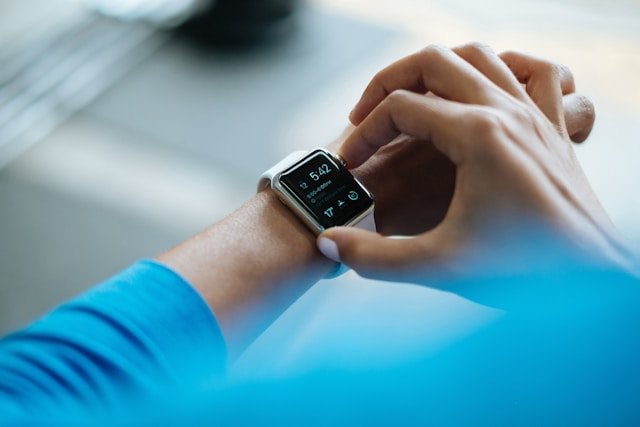
The most effective remedy might not be a medication, but rather a small piece of technology. Indeed, a subtle transformation in medical technology is enabling individuals to take unprecedented control of their health. This article delves into how cutting-edge devices, ranging from smartwatches to home diagnostics, are shifting healthcare from a reactive stance to a more proactive and preventative one.
Traditionally, the journey to better health has often involved a series of reactive measures, such as visiting a doctor when feeling unwell and receiving a prescription to alleviate symptoms. However, the most significant advancement in contemporary wellness isn’t a new medication or a trendy diet—it’s the shift towards proactive and preventative health care. A surge in medical technology is driving this change, supplying us with immediate access to health information and empowering us to take charge of our health and make informed decisions like never before. With wearable devices and smart home technology, health management has evolved from being solely emergency-oriented to becoming an essential part of our daily wellness routines. Let’s explore this concept further.
Health in a Connected Home
Technology is all around us today. It is omnipresent in our lives, and we wear it too. Wearable devices are revolutionizing health monitoring. Smart scales now provide insights beyond mere weight; many can assess your muscle mass, bone density, and even body fat percentage. Additionally, smart blood pressure monitors and thermometers can directly transmit data to an app, creating a health record that is easy to share with healthcare professionals.
The emergence of these consumer-friendly health devices results from significant innovation within the medical sector. The creation of these sophisticated products—from the initial concept to the final version available for purchase—is undertaken by specialized medical device development firms like HaA Product Development. These companies form the backbone of the health technology revolution by blending advanced engineering with a thorough understanding of human health, crafting products that not only excel in performance but are also user-friendly for everyday consumers. Without their contributions, many of these groundbreaking technologies might remain in laboratories, unused.
The Wearable Revolution: Empowering Health Monitoring
The most noticeable advancement is probably the proliferation of wearable technology. Smartwatches and fitness trackers have become ubiquitous, and they now serve roles far exceeding simple step counting. Modern devices act as advanced health monitors, providing a continuous stream of data regarding our bodies. For instance, heart rate tracking has become standard; many devices offer all-day heart rate monitoring, yielding valuable insights into stress levels, recovery from workouts, and overall heart conditions. Some sophisticated models even allow users to perform an electrocardiogram (ECG) on demand, which can be a pivotal tool for spotting potential health complications early on.
Moreover, sleep tracking is another realm where wearables have made significant strides. These devices can monitor different sleep stages and overall sleep patterns, enabling users to assess sleep quality and find ways to enhance it—such as establishing a regular bedtime or reducing screen time before sleep. This level of self-awareness was largely unattainable for most people just a few years ago.
Remote Care: Transforming Patients into Partners
The pandemic has undoubtedly altered many aspects of life, including healthcare and medical technology, reshaping the relationship between patients and healthcare providers. These advancements allow for remote health monitoring, enabling doctors to observe patient health from a distance while reducing the necessity for in-person consultations.
For those managing chronic conditions like diabetes or hypertension, these technologies have proven invaluable. Remote monitoring devices can gauge blood glucose levels or blood pressure and automatically relay this data to healthcare professionals. This instant feedback allows doctors to adjust treatment plans promptly, well before the next scheduled visit. Such a proactive approach leads to improved health outcomes and empowers patients to partake more actively in their care, making quality healthcare more accessible, particularly in rural areas or for those with mobility challenges.
The Future of Proactive Wellness
The medical technology we see today is merely the beginning. A new wave of innovations is already emerging, including artificial intelligence and personalized medicine. AI is increasingly used to analyze vast amounts of health data from wearables and monitoring devices, providing tailored health insights and potential alerts. It can detect trends and risks that may elude both laypersons and healthcare professionals, enabling individuals to make more informed lifestyle choices. This development doesn’t threaten medical jobs; rather, it equips healthcare providers with powerful tools to deliver better, more precise, and preventative care. Moving forward, health is poised to become not just a reaction to illness but a proactive aspect of our daily lives.