

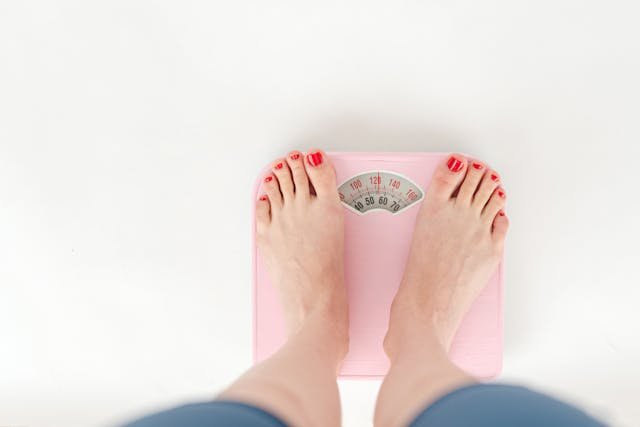
Achieving weight loss in a manner that is both healthy and sustainable centers around establishing a sense of equilibrium rather than seeking immediate fixes. The most effective strategies merge sensible nutrition, regular physical activity, and practical habits that align with the body’s inherent functions.
While crash diets and strict dietary limitations may bring about rapid changes, they can be challenging to sustain and might result in fatigue, nutrient insufficiencies, or weight rebounds. Authentic and enduring success lies in creating a stable framework that promotes both physical and mental wellness.
Nutrition is particularly pivotal in this journey. A deficiency in essential nutrients can lead to decreased energy levels and hinder progress. Supplements aimed at bridging nutritional gaps, such as Replenza, can assist individuals in maintaining sufficient vitamin and mineral levels and help facilitate optimal metabolism.
Integrating appropriate nutrition with conscious movement and wholesome habits allows for gradual and consistent advancements. The following five established methods will illustrate how to effectively manage weight while promoting long-term health.
1. Emphasize Nutrient Density Over Caloric Intake
While the balance of calories is crucial for weight loss or gain, the quality of those calories is equally important. Nutrient-rich foods enhance energy, recovery, and metabolic function. Rather than merely cutting calories, focus on the quality of everyday food choices.
Opting for whole, unprocessed foods (including lean proteins, vegetables, fruits, and complex carbs) not only aids in sustaining fullness but also helps maintain steady blood sugar levels. These foods provide essential vitamins and minerals vital for efficient metabolism and energy generation.
Conversely, highly processed foods often lack necessary nutrients and can lead to fluctuations in energy, making it harder to adhere to a healthy eating plan.
Aiming for a nutrient-rich diet ensures the body has the resources to burn fat effectively while upholding health. Over time, the approach shifts from simply reducing food intake to making smarter dietary choices that align with both weight loss goals and overall well-being.
2. Engage in Regular Physical Activity
Consistent physical activity stands out as a powerful method for maintaining a healthy weight. Regular exercise burns calories, strengthens cardiovascular health, and preserves muscle mass, all contributing to long-lasting success. Additionally, physical activity significantly supports mental well-being, enhances mood, and fosters motivation for consistency.
A blend of aerobic and strength training exercises yields the best outcomes. Cardio workouts, such as jogging, cycling, or swimming, improve endurance and aid in fat loss.
Meanwhile, strength training increases lean muscle mass, which elevates the body’s resting metabolic rate, enabling more caloric burn even during rest.
3. Emphasize Protein and Hydration
Protein and hydration are often underestimated components of an effective weight loss strategy. Protein helps to maintain muscle during caloric deficits and promotes satiety, which aids in preventing overeating. It also supports tissue repair and growth, particularly for those engaged in strength training.
Excellent protein sources include chicken, fish, eggs, legumes, tofu, and low-fat dairy. Spreading protein intake evenly across meals can help sustain energy levels and aid muscle recovery all day long.
Equally vital is hydration. Water supports digestion, assists in nutrient absorption, and helps control appetite. Often, thirst can be confused with hunger, leading to unnecessary eating. Drinking water before meals can aid in portion management and enhance overall digestion.
4. Address Stress and Sleep Quality
Stress and sleep are two critical components affecting weight management that are frequently neglected.
Chronic stress elevates cortisol levels, a hormone that promotes fat storage, especially in the abdominal area. High stress can also heighten cravings for sugary and fatty foods, making adherence to a healthy plan more difficult.
Sleep is just as crucial. Insufficient rest disrupts hunger-regulating hormones like leptin and ghrelin, leading to heightened appetite and diminished self-control. Lack of sleep can also lead to lower energy levels, making workout sessions appear more daunting and recovery times slower.
Establishing regular bedtime routines and employing relaxation techniques (such as reading, gentle stretching, or meditative practices) can greatly enhance sleep quality.
Managing stress through mindfulness, spending time in nature, or low-intensity physical activities can help maintain emotional stability and avert burnout. Achieving healthy weight loss necessitates adequate rest and recovery as much as it does activity and effort.
5. Establish Realistic Habits and Track Your Progress
Long-lasting results arise from gradual, achievable habits rather than short-lived efforts. Setting realistic goals fosters sustained motivation and reduces frustration. Although gradual progress might appear slow, it paves the way for enduring success because it is based on consistent behaviors rather than temporary measures.
Healthy Weight Loss Is a Lifestyle Choice, Not a Sprint
Some perceive healthy weight loss as rigid rules or rapid transformations, but an alternative perspective exists. Instead of seeking immediate solutions, one can cultivate a lifestyle that enhances well-being over the long haul.
Focusing on nutrient density, maintaining an active lifestyle, ensuring adequate hydration, managing stress levels, and forming sustainable habits collectively contribute to steady progress and effective weight loss.