

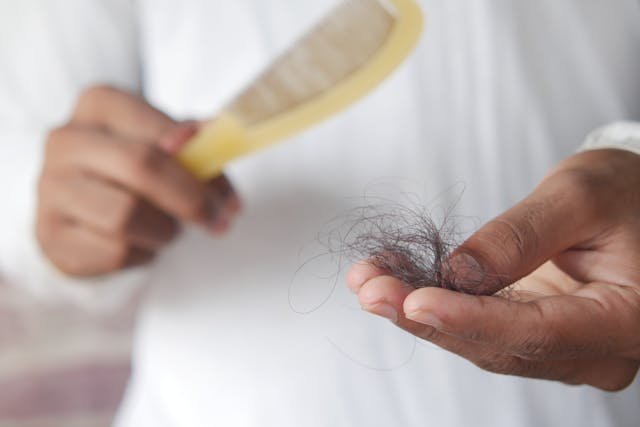
Noticing thinning hair can be quite unsettling. One day, your tresses appear lush and untamed, and the next, your shower drain tells a different tale. For some individuals, hereditary factors play a significant role. For others, a combination of lifestyle choices, stress, and environmental influences contribute to the issue. Regardless of the cause, witnessing your hairline recede or your part becoming wider can seem like a daunting challenge. However, here’s the silver lining: thinning hair doesn’t have to determine your appearance or your self-esteem. Let’s delve into the reasons behind it and explore effective ways to achieve thicker, healthier hair.
Understanding the Causes of Hair Thinning
Let’s first address the reasons behind hair thinning. Genetics significantly influence hair loss, particularly through conditions such as androgenetic alopecia or hereditary hair loss. However, genetics aren’t the only factors at play. Both mental and physical stress can disrupt your hair’s growth cycle, leading to increased hair shedding. Hormonal shifts, including those occurring during pregnancy, menopause, or with changes in birth control, can also significantly impact hair health.
Your dietary choices are crucial as well. If your meals lean towards convenience over nutrition, you might lack essential vitamins and minerals vital for hair health. Nutrients like iron, biotin, and zinc are necessary; without them, your hair may become weak and brittle, increasing the risk of breakage. Add over-styling, frequent heat tool use, and harsh chemical treatments into the mix, and you’ve created a favorable environment for thinning hair.
Common Habits That Harm Your Hair
Here’s a tough realization: many of us treat our hair as if it were indestructible. Everyday practices—including regular heat styling, tight hairstyles, and neglecting proper scalp care—can inflict more harm than you may notice. Even your washing and drying techniques can contribute to damage. Utilizing hot water, rough towel drying, or the wrong hair products are invitations for breakage.
Furthermore, your scalp’s health is often neglected. Failing to care for it, or excessively applying products, can obstruct hair follicles and inhibit growth. Chronic stress isn’t only detrimental to your mental well-being; it can also be catastrophic for your hair. High cortisol levels can disrupt the growth cycle, pushing more hairs into the shedding phase. So, if your hair appears thinner after a particularly stressful month, this could be the root cause.
Addressing the Issue From the Ground Up
To effectively combat thinning hair, begin with the foundational element—your scalp. Opting for a shampoo specifically formulated for thinning hair can be transformative. The right product not only cleanses but also nourishes the scalp and strengthens hair follicles, providing an optimal environment for healthy growth. Look for shampoos containing ingredients aimed at addressing thinning, such as keratin, biotin, or niacin. Steer clear of formulas that strip your hair of its natural oils, as no one desires a dry, irritated scalp.
Consistency is vital. Transitioning to a shampoo designed for thinning hair may not yield immediate results, but with time, you’ll observe improvements in your scalp’s condition and your hair’s appearance. Additionally, don’t overlook the benefits of incorporating scalp massages into your routine. Taking a few extra moments to gently lather can enhance blood circulation to your follicles, providing them with much-needed care.
The Importance of Scalp Care
Your scalp serves as the foundation for your hair. A compromised scalp can hinder hair growth and exacerbate thinning issues. Hence, proper scalp care is crucial—it’s an integral yet often overlooked component of maintaining healthy hair.
Exfoliating your scalp might seem unnecessary, yet it can yield significant benefits. Over time, dead skin cells, product residue, and natural oils can clog the hair follicles, impeding growth and resulting in thinner hair. A quality scalp exfoliant or treatment can pave the way for robust hair development. Remember that hydration is essential too; just as your skin requires moisture, so does your scalp. Utilizing oils like argan or jojoba can provide excellent nourishment when applied judiciously.
Nourishing Your Hair from Within
Your hair comprises protein, meaning inadequate protein intake can adversely affect your strands. However, protein isn’t the sole nutrient your hair needs. Iron supplies oxygen to hair follicles, while biotin fortifies keratin, the primary protein found in hair. Omega-3 fatty acids keep the scalp moisturized, and zinc is vital for repair and growth.
If supplements aren’t your preference, you can obtain vital nutrients from whole foods. Foods such as eggs, salmon, spinach, nuts, and seeds are excellent choices. For those adhering to a vegan or vegetarian diet, numerous plant-based sources provide similar benefits. Just ensure you maintain a balanced diet, as what’s beneficial for your overall health is likely good for your hair as well.
Managing Stress for Healthier Hair
It seems overly simplistic, but regulating your stress levels can directly impact your hair health. Prolonged stress can transition hair follicles into a resting phase, halting growth and making hair fall out. If you suspect your hair loss is related to stress, focusing on self-care is essential.
Techniques such as meditation, exercise, and taking regular breaks throughout your day can help reduce cortisol levels and enhance your overall health. While alleviating stress won’t instantly restore lost hair, it can prevent further thinning and create a more favorable environment for growth. Think of it as giving your hair a fighting chance.
Hope for Thicker Hair
Thinning hair need not signify a bleak future or the end of enjoyable hair days. By investigating underlying causes, implementing gradual changes to your routine, and prioritizing scalp and hair health, you can pave the way for stronger and fuller hair. The key lies in consistency and dedicated care. Although the results may take time to manifest, the journey is worthwhile.
Remember, your hair contributes to your identity, but it doesn’t define your entire being. Take care of it, yet let your confidence stem from within, guided by how you truly feel.