

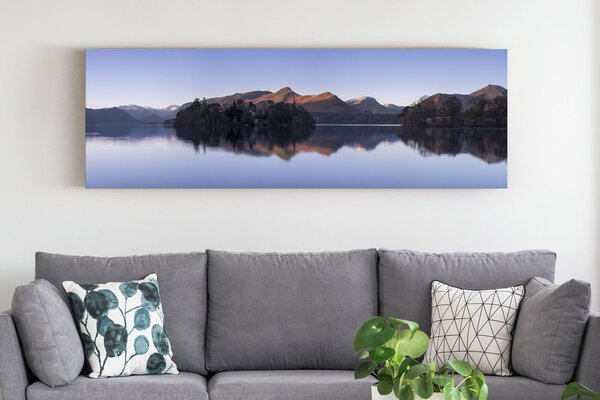
When contemplating ways to enhance our health, we often emphasize dietary habits, physical activity, and rest. However, we seldom reflect on the visual surroundings we encounter daily. The artwork adorning our walls influences our atmosphere, impacts our mood, and subtly affects our feelings within our living spaces.
A large portion of our time is spent indoors, particularly in shared areas like the living room, where we relax after work, connect with family, browse our phones, enjoy films, and entertain guests. This space serves as a bridge between the demands of the outside world and the intimacy of home life. The elements that fill this space are more significant than we might initially think. Let’s delve into how incorporating art in your living room can enhance your wellbeing in ways you might not have considered.
The Impact of Visual Surroundings on Psychology
Insights from environmental psychology reveal that our repeated visual experiences can shape our emotional states. Specific imagery, especially that of natural landscapes, bodies of water, and expansive horizons, tends to correlate with lower stress levels and a more positive mood. This phenomenon is often associated with “attention restoration,” the idea that serene and engaging visuals allow our minds to recuperate from mental exhaustion.
In essence, certain visuals require minimal effort from us. A peaceful seascape, a serene forest, or a vast mountain scene doesn’t necessitate deep analysis or interpretation. They provide a kind of visual reprieve. In contrast, imagery that is overly complex, chaotic, or starkly contrasting may provoke stimulation rather than relaxation.
The use of color is also influential. Cooler hues, such as blues and greens, evoke a sense of tranquility, while softer neutral shades can create equilibrium. This doesn’t imply that bold art is off-putting; however, if your aim is to foster a restorative ambiance, careful consideration of both composition and color scheme is essential.
The Significance of the Living Room
The living room often establishes the emotional atmosphere throughout the home. Being the largest shared area, it plays a pivotal role in shaping the overall perception of a space.
A visually cluttered or overstimulating room may extend the hectic energy we often bring from the outside world. Conversely, thoughtfully selected artwork can promote a more tranquil and measured pace. A single large-format photographic print that offers depth can serve as a grounding focal point, rather than disrupting the flow of the environment.
Size matters as well. While a collection of small frames featuring various colors and themes may inject energy, it can also heighten visual clutter. In contrast, a strategically chosen piece that provides space, balance, and a clear horizon is likely to create a settled atmosphere.
Nature Imagery and “Soft Fascination”
Numerous wellbeing studies consistently highlight the restorative benefits of nature. While experiencing the outdoors is unparalleled, even depictions of natural scenery can trigger similar effects. This concept is often referred to as “soft fascination,” where the mind is calmly engaged without being overwhelmed.
Photographic art plays a captivating role in this regard. Since photography captures real places and natural light, it can instill a sense of presence. For instance, a coastal scene with a distant view can infuse an impression of expansiveness into a confined room. Similarly, a forest photograph can add layers and depth that contrast beautifully with flat walls and rigid surfaces.
This approach isn’t about transforming your living room into a themed display. It’s about subtle hints. An artwork that conveys distance, tranquility, or natural light can significantly alter the perception of a space.
Intentional Selection Over Generic Decoration
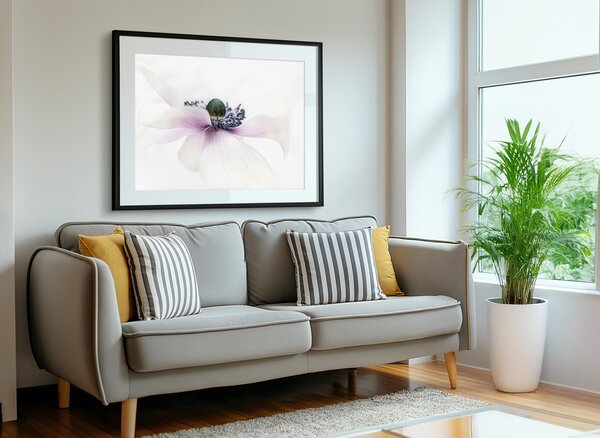
Often, we select wall art as an afterthought—merely to occupy a vacant space. Nonetheless, when art is chosen with purpose, it contributes to the emotional structure of the room.
Consider these reflective questions:
- Does this image evoke a sense of calm or excitement?
- Does it allow my eyes to find a place to rest?
- Does it harmonize with the existing light and colors?
Many online galleries offer curated collections specifically for living rooms, simplifying the exploration of photography, paintings, or digital artwork that aligns with your interior design vision. For example, Fotoviva Art Prints provide a selection of photographic pieces tailored for living spaces.
Ultimately, the focus should be on the relationship between the artwork and the ambiance you wish to cultivate, rather than the brand or price.
Practical Tips for a More Restorative Living Room
To enhance wellbeing through your living environment, consider implementing these strategies:
- Select imagery that offers visual depth, such as open skies, bodies of water, or expansive landscapes.
- Steer clear of overly busy compositions if tranquility is your goal.
- Display artwork at eye level to promote visual harmony.
- Coordinate the colors in the artwork with soft furnishings and wall hues to minimize stark contrast.
- Choose one impactful focal piece instead of multiple competing elements.
These adjustments require no complete overhaul; sometimes, just replacing one piece of art can subtly transform the atmosphere of a room.
The Subtle Influence of Art on Daily Health
Wellbeing is seldom the outcome of a single significant change. Instead, it is shaped by an array of small, consistent influences: the lighting in a room, the noise levels, the comfort of a sofa, and perhaps more than we realize, the imagery we surround ourselves with daily.
Your living room serves as a retreat for recharging. If the artwork that adorns your walls promotes calmness, balance, and a feeling of spaciousness, it may contribute significantly to your wellbeing more than you have consciously recognized.