

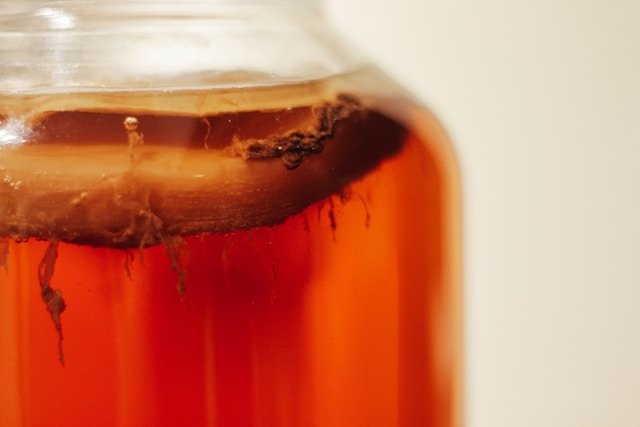
Kombucha, a time-honored fermented tea, has surged in popularity recently, captivating many with its distinctive tang and potential health advantages. This drink seamlessly merges age-old medicinal practices with today’s wellness trends, showcasing a legacy rooted in centuries of health traditions. Here, we explore how kombucha integrates into modern lifestyles, from its brewing techniques to its various health benefits.
The Historical Journey of Kombucha
To truly appreciate kombucha, one must delve into its rich history. The journey of this beverage spans continents and epochs, underlining its lasting charm.
Ancient Beginnings in the East
This intriguing drink traces its roots back to China during the Tsin Dynasty, around 220 B.C., where it was hailed as “the tea of immortality.” The fermentation process transformed this drink into a nourishing tonic for ancient civilizations. Over the years, it made its way along trade routes to Russia and Eastern Europe, where various cultures added their unique twists to the original recipe.
Rediscovery in the West
The early 20th century marked a turning point for kombucha’s popularity in the Western world, thanks to scientific studies that highlighted its benefits. Today, it is recognized as a functional beverage that offers health benefits while indulging the taste buds of the modern, health-focused consumer.
The Brewing Craft: Creating Bubbles
The Craft of Brewing Kombucha: The brewing of kombucha is an intricate process that bestows a unique flavor and delivers numerous health advantages. This meticulous preparation blends science and artistry in remarkable synergy.
Core Ingredients and Essential Equipment
- SCOBY: This living culture, a symbiotic colony of bacteria and yeast, drives the fermentation process.
- Tea: The primary base, typically black or green tea, rich in tannins and vital nutrients.
- Sugar: Essential to nourish the SCOBY and initiate fermentation.
- Fermentation Vessel: Glass jars are ideal for ensuring a clean fermentation process.
Step-by-Step Brewing: From Sweet to Sparkling
- Tea Preparation: Sweetened brewed tea is cooled before introducing the SCOBY.
- Initial Fermentation: The mixture ferments for one to ten days, evolving into a tangy, wine-reminiscent beverage.
- Flavoring and Bottling: Post-fermentation, incorporate fruits, herbs, or spices for additional flavors before bottling, allowing for carbonation. This phase combines methodical techniques and creative flair.
This process blends precision with creativity, allowing for endless variations.
Kombucha’s Nutritional Benefits: A Healthful Elixir
Kombucha presents more than a delightful taste; it also packs a punch with essential vitamins and minerals, alongside beneficial compounds resulting from its fermentation.
Probiotics for Digestive Health
One of kombucha’s standout components is probiotics, which emerge during fermentation. These beneficial microorganisms support digestion, enhance nutrient absorption, and bolster the immune system.
Rich in Vitamins and Antioxidants
This beverage is rich in B vitamins and acts as an antioxidant, scavenging harmful free radicals within the body. Kombucha derived from green tea is particularly abundant in catechins, antioxidants known for their potential anti-inflammatory properties.
Organic Acids for Detox
Organic acids like acetic and gluconic acids contribute to liver detoxification and can promote metabolic health.
Kombucha Today: A Lifestyle Choice
The resurgence of kombucha in the 21st century showcases its adaptability to changing consumer demands. More than just a drink, it embodies a lifestyle choice.
Kombucha in Wellness Movements
From yoga studios to boutique cafes, kombucha has become a fixture in locations that champion wellness. Its natural ingredients and probiotic content attract health-oriented individuals seeking alternatives to conventional beverages.
Culinary Uses
Innovative chefs and mixologists alike are incorporating kombucha into diverse recipes, from tangy salad dressings to exciting cocktails, enhancing both sweet and savory dishes with its intricate flavor.
For culinary enthusiasts, an assortment of kombucha flavors inspires creativity.
Kombucha and Sustainability: An Eco-Friendly Option
Choosing kombucha also aligns with sustainable living principles. Its eco-friendly brewing process reduces waste, especially for those brewing at home.
Homebrewing for Environmental Responsibility
Making kombucha at home is cost-effective and minimizes packaging waste, as a single SCOBY can be reused multiple times, reducing one’s ecological footprint.
Composting and Recirculation Benefits
Used tea leaves and SCOBYs can be composted, enriching the soil and promoting a cycle of sustainable consumption.
Choosing the Right Kombucha: A Guide for Consumers
With a myriad of brands available, selecting the best kombucha can be overwhelming. Here are some tips to help make informed choices.
Key Considerations
- Ingredient Transparency: Opt for products made with organic ingredients and no artificial additives.
- Diverse Flavor Options: Experiment with fruity, spiced, or unique blends to find your perfect match.
- Live Cultures: Choose unpasteurized kombucha for maximum probiotic benefits.
Exploring Online Offerings
Online vendors often provide a broad selection of kombucha, making it easy to discover various flavors and styles at your convenience.
Integrating Kombucha into Daily Life
Kombucha is not merely a beverage; it serves as a versatile ingredient that enhances daily life. Here are some simple ways to include it in your routine.
Morning Energizer
Start your day with a glass to support digestion and boost energy. Its slight acidity may aid in balancing pH for metabolic processes.
Hydration Before and After Workouts
With its electrolyte content and natural sugars, kombucha makes an excellent drink to enjoy pre- or post-exercise.
Kombucha Cocktails for Celebrations
Elevate social gatherings by using kombucha as a refreshing non-alcoholic alternative or as a mixer in crafted beverages, combining it with fresh fruits, herbs, and sparkling water.
Kombucha: Debunking Common Misunderstandings
Despite its soaring popularity, various misconceptions surround kombucha’s safety and benefits. Addressing these misconceptions fosters a clearer understanding of this drink.
Alcohol Content and Safety Concerns
Though fermentation yields trace amounts of alcohol, kombucha is safe for people of all ages. Commercially produced varieties typically adhere to regulations that keep alcohol content under 0.5%.
Sugar Content Clarification
While sugar is vital for the fermentation process, most is consumed by the SCOBY, resulting in kombucha that generally contains less sugar than sodas and many fruit juices, making it a healthier choice.
Conclusion
Kombucha embodies a harmonious blend of tradition and modernity, offering a delicious and healthful option for all. From its ancient beginnings to its current renaissance, kombucha has proven resilient. Whether drawn by its probiotic benefits, the allure of homebrewing, or the vast array of flavors available, kombucha appeals to diverse individuals. Start your kombucha journey today by exploring different flavors and experience the excitement of this sparkling beverage! As we navigate an era where trends come and go, kombucha stands as a steadfast ally for those seeking health and sustainability, all while enjoying each sip.