

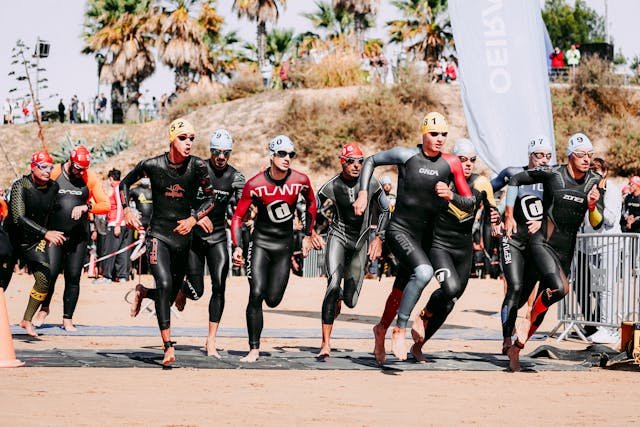
Conquering a triathlon is a remarkable accomplishment for any athlete. Your body has gone through a considerable amount of strain from the extended swim, challenging bike ride, and demanding run. Although it’s vital to celebrate your achievement, paying attention to your recovery is equally crucial. So, what should your recovery plan post-triathlon include? Here are seven comprehensive strategies to consider.
1. Dive Into an Ice Bath
While a warm bath might seem inviting after a long day, your body benefits much more from a cold water immersion. Ensure you set aside time for an ice bath right after finishing your triathlon, as it provides numerous advantages for your health.
This chilling experience aids in minimizing swelling and tissue damage by driving lactic acid away from your muscles. The duration of your ice bath will depend on your personal tolerance to cold, but generally, it’s recommended to limit your soak to a maximum of 20 minutes.
2. Restore Your Energy Reserves
Your body burns a substantial amount of energy during a triathlon, engaging multiple muscle groups. Therefore, it’s crucial to refuel with a balanced and satisfying meal. Focus on incorporating proteins and carbohydrates to replenish your amino acids and glucose levels.
Although the choices for post-race meals are plentiful, you can keep it simple. A peanut butter and jelly sandwich is an excellent option, as it combines carbs, sugars, protein, and fats. Once you’re ready for something more substantial, consider a meal with grilled chicken, sweet potatoes, and a variety of vegetables.
3. Rehydrate Wisely
Following the extensive exertion of a triathlon, hydration levels are often significantly depleted. It’s crucial to drink water post-race, as some athletes overlook this essential aspect. To determine how much water you should consume, weigh yourself before and after the event and drink two cups for every pound lost.
While staying hydrated is vital, avoiding excessive water consumption is equally important. Overhydration can lead to complications like hyponatremia. Your kidneys can only process a limited amount of fluid, so pay attention to your body signals and check the color of your urine to help gauge your hydration status.
4. Allow for Recovery Days
The length of the triathlon influences the necessary recovery time, with shorter events typically requiring less downtime compared to longer races, which may warrant weeks of lower activity levels. It’s crucial to give your body adequate time to heal and prevent serious injuries.
If you’ve completed a shorter race, consider taking three full days off from any training. After that, gradually increase your workouts upon returning to the water or bike. For more intense challenges like an Ironman 70.3, you might need to take four to five days of rest followed by a three-week period of lighter exercises.
5. Pay Attention to the Small Details
While rest and nutrition stand out as significant aspects of recovery, assessing your overall needs holistically is vital. Prolonged swims can irritate your eyes, especially for contact lens users, as saltwater exposure may cause discomfort.
If you had to wear contact lenses during your race, be sure to soak them in a sterile solution for at least 24 hours afterwards. Additionally, don’t forget to have your eyeglasses ready for use once the race concludes. Skincare is another area often overlooked; rinse off and exfoliate post-race to eliminate dead skin cells from your body.
6. Focus on Mental Wellbeing
Physical activity is known to benefit mental health by releasing endorphins and enhancing mood. However, the continuous training and demanding races can take a toll on your mental state if not managed properly. After crossing the finish line, make self-care a priority to refresh your mind and restore focus.
Engage in activities that help you recover mentally. Some athletes opt to journal about their performance to reflect on what they learned and identify areas for improvement in future races. Other helpful pursuits may include meditation, indulging in favorite hobbies, or celebrating your recent accomplishments.
7. Consider a Massage
Though recovery largely depends on your own efforts, there’s no harm in seeking assistance to facilitate healing. After completing your triathlon, consider a professional massage to further aid in your body’s recovery before resuming training.
Massage therapy enhances blood circulation, delivering oxygen and nutrients to your muscles, which is crucial for efficient recovery. It can also alleviate lactic acid buildup and improve muscle flexibility, thereby reducing the likelihood of injury.
Recovering Smartly Post-Triathlon
Once you finish your triathlon, your recovery strategy is paramount. How you take care of your body during this period will influence your preparedness for future races. Tune into your body’s needs and provide it with the necessary support. If you find it beneficial, consider forming a group with fellow triathletes to share recovery tips.