

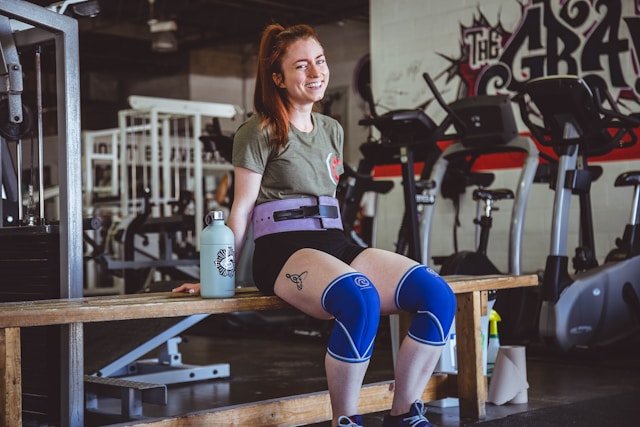
Strength training tools can often elicit strong opinions among lifters, with gym belts being a particularly contentious topic. Some athletes firmly believe in the effectiveness of these belts, tightening them securely before each set, while others argue that reliance on external gear can hinder genuine physical progress. Gaining insight into how these belts function is crucial before integrating one into your routine.
Understanding the Functionality of Gym Belts
Essentially, gym belts act as stabilizers. They help to enhance intra-abdominal pressure, providing a more secure foundation for the spine, which can boost performance and reduce the likelihood of injury when lifting heavy. Lifters aiming to set personal records in squats, deadlifts, or overhead lifts often find that this additional support can significantly influence their results. Nevertheless, these belts are not a panacea; they do not substitute for well-developed abdominal muscles or rectify poor lifting form. Rather, they serve as an aid for specific lifts.
When to Utilize a Belt
Gym belts prove most advantageous during exercises that exert considerable stress on the spine, especially when lifting substantial weights. Movements like deep barbell squats and heavy deadlifts typically fall into this category. As you approach 85-90% of your one-rep max, a belt can provide that added assurance, allowing you to lift with increased confidence.
Lifters who focus on low-rep, high-weight training will find that a belt serves as a protective measure. It supports the natural bracing of the core, particularly when fatigue begins to set in. Olympic and powerlifters often strategically employ belts in their training for this reason.
When to Leave the Belt in Your Gym Bag
Not every exercise merits the use of a belt, nor is it necessary for all lifters. Those focused on establishing foundational core strength may experience diminished results from belt reliance. Movements such as goblet squats, lunges, kettlebell swings, or planks generally benefit from allowing the core to actively engage without external assistance.
For moderate lifting—typically less than 70% of your one-rep max—utilizing a belt is often unnecessary. Training without it in these weight ranges pushes your core to naturally stabilize your body, promoting a more balanced strength development over time.
The Significance of Core Strength Without Support
Relying solely on gym belts can lead to the underdevelopment of muscles that stabilize your spine and pelvis. It’s crucial to focus on strengthening the transverse abdominis, obliques, and multifidus muscles, as they work together to maintain stability, protect the spine, and create power. Forcing the body to adapt without a belt during warm-ups, accessory exercises, and core workouts allows these areas to grow and strengthen effectively.
Proper Usage of a Gym Belt
If you choose to use a belt, knowing how to fit it correctly is essential. Position the belt around your waist, covering the area between your ribs and hips. It should be tight enough to provide support but not so constricting that you can’t take a deep breath. The aim is to push your abdomen against the belt as you brace and breathe deeply, rather than simply tightening it to an uncomfortable degree.
Common Pitfalls to Avoid
Using a belt for every set, even when tackling lighter weights, can lessen its effectiveness. Additionally, viewing a belt as a replacement for sound lifting technique is a misconception. If you lack a solid understanding of proper bracing techniques, the belt may become a hindrance rather than an enabler of performance.
Evaluating If a Gym Belt Suits You
Before incorporating a gym belt into your regimen, reflect on your training objectives. If your goal lies in achieving maximum strength or competing in powerlifting, a belt may prove to be a vital ally during your heaviest lifts. Conversely, those focusing on athleticism, mobility, or functional fitness may prioritize core strength over external aids.
Conclusion
Gym belts themselves are neutral; their effectiveness relies on how and when they are utilized. Approach them with informed intent, apply them thoughtfully, and they can help you achieve your training goals. However, they should never replace the commitment to strong, deliberate movement.