

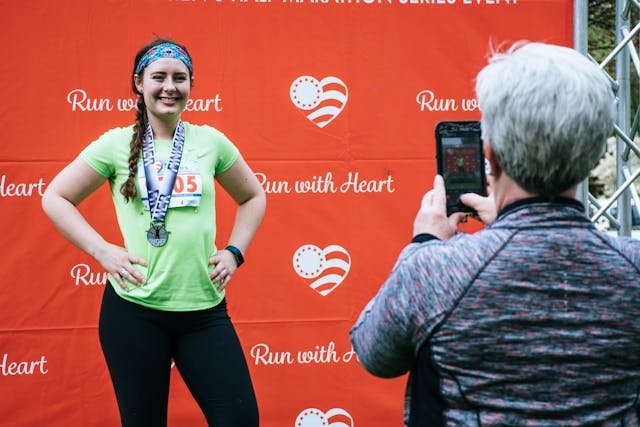
On a whim, I registered for my first half marathon, thinking it would be an exciting challenge. However, training turned out to be a different story. Some days, I felt invincible; on others, I found myself questioning my decisions. Yet, crossing that finish line made it all worthwhile. Below are the key takeaways from my experience.
Mental Strength is Just as Important as Physical Strength
While my legs grew stronger, my mind did too. There were numerous occasions I felt like giving up—during brisk mornings, on seemingly endless long runs, and on days when my body resisted while other tempting distractions beckoned.
Through these challenges, I learned a valuable lesson in mental resilience. I had to find ways to motivate myself to keep going, even when I wanted nothing more than to quit. This skill transcends running; it’s applicable in various aspects of life.
Quality Gear Is Crucial
Experiencing blisters, chafing, and sore feet really highlighted the significance of proper footwear. Initially, I believed any running shoes would suffice, but after enduring some painful long runs, I recognized the importance of a good fit.
This principle extends to socks, moisture-wicking apparel, and anti-chafing products. During a run exceeding two hours, even minor discomfort can evolve into a major issue. Additionally, carbon-plated shoes may be a worthwhile investment for race day, potentially boosting speed and endurance. Choosing the right equipment can profoundly affect your performance.
Fueling Properly is Essential
I used to think a hearty dinner the night before was sufficient, but long-distance running illuminated the necessity for pre-run snacks, mid-run nutrition, and adequate hydration. Your body demands the right kind of energy to perform well.
It’s Normal for Not Every Run to Feel Great
Some days will feel effortless, while others might make one mile seem unattainable. Both experiences are perfectly normal; the crucial part is to continue pushing forward. However, it’s vital to heed your body’s signals—distinguishing between simple lack of motivation and true burnout is key.
The Running Community Is Amazing
On race day, I witnessed firsthand the camaraderie among runners. Strangers cheered for one another, volunteers provided water with cheerful encouragement, and everyone celebrated together as they crossed the finish line.
Your Body’s Capabilities Are Surprising
Two years ago, I would have found it hard to believe I could run 13.1 miles. However, my training journey demonstrated how adaptable the human body truly is. I began with slow, short runs, gradually building my distance to prevent overexertion. By the time race day arrived, my body had adjusted, grown stronger, and I realized my potential was far greater than I had ever thought.
Pacing is Vital
In the early days of my training, I sped out too quickly, eager to finish. Long-distance running is a game of strategy; starting slowly is essential for maintaining a steady pace and conserving energy for the end. By race day, I understood that adhering to a manageable pace could determine whether I finished strong or struggled.
Recovery Is as Crucial as Training
Initially, I concentrated solely on running, neglecting other important aspects. After my first 10-mile race left me barely mobile the next day, I realized the significance of recovery. Incorporating stretching, foam rolling, hydration, and rest days became as imperative as my actual training. Making time for a recovery week every three to four weeks, where you reduce intensity or distance, can help prevent injuries and maintain your best performance.
Music and Podcasts Can Be Lifesavers
Long runs can become monotonous. I soon learned that the right music playlist or an engaging podcast could significantly enhance the experience. Upbeat songs provided motivation, while podcasts offered a distraction from the number of miles remaining. During tough stretches, shifting to a lively tune often gave me the boost I needed.
The Finish Line Experience is Unparalleled
Crossing the finish line was a whirlwind of exhaustion, relief, and immense pride. After months of preparation, being present at that moment and savoring the cheers from the crowd, alongside the sight of my family, provided the final push I needed. Accepting my medal and hugging my parents filled me with an overwhelming sense of accomplishment, and I knew I wanted to experience it all over again.
Beyond the Race
Completing my first half marathon taught me far more than just how to cover 13.1 miles. It illustrated the power of consistency and the significance of paying attention to my body. Although the training was challenging, the experience on race day was the ultimate reward.