

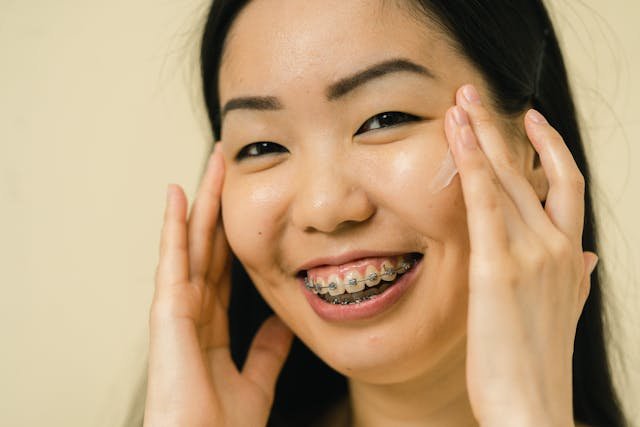
Are you contemplating getting your teeth aligned but have reservations about eating or looking odd? Fortunately, misconceptions about adult orthodontics have been clarified by dental professionals. Below are some prevalent beliefs regarding adult braces and the truths that dispel them.
1. Braces Are Only for Kids
If you traveled back to the 1970s or 80s, you would find that this belief was widely accepted. While some adults did wear braces during that time, it was primarily considered a teenage issue. Nowadays, orthodontists cater to adults, treating approximately one out of three patients as adults.
2. Eating with Braces Is Impossible
Considering the previous myth, one might expect a significant number of adults in braces to have difficulties eating. However, just like children, adults adjust nicely after a brief period of discomfort. While adapting to wearing braces can take some time, your eating routine will normalize. That said, it’s wise to limit certain foods—especially those that are hard, chewy, or acidic—while in orthodontic treatment.
3. Braces Are Just for Looks
While enhancing one’s smile can boost confidence and happiness, the reality is that adult braces serve a crucial purpose beyond aesthetics. Many adults face unaddressed orthodontic issues from their youth, and braces can rectify misalignments or damage. Such corrections are essential, as they address underlying problems that could lead to gum disease or impact chewing efficiency.
4. Adult Braces Are Unsightly
If you were to take that time machine back to 40 years ago, you would notice a stark contrast in how braces were perceived. Back then, children often had limited options and faced challenges with confidence due to their appearance. Today’s advancements have led to the creation of smaller, sleeker brackets and innovative clear aligners that are far less noticeable and more convenient for adults.
5. Braces Will Set Off Metal Detectors
Modern braces often incorporate medical-grade stainless steel, which, according to the Jacksonville University School of Orthodontics, do not trigger metal detectors, even at airport security checkpoints. Moreover, for those still concerned about this possibility, there are non-metal options available today.
6. Once Treated as a Child, Braces Are Unneeded
Initial orthodontic treatment during childhood lays a foundation, yet it may not negate the necessity for further adjustments later in life. Teeth naturally shift over time due to aging, particularly if there have been extractions. Additional factors such as teeth grinding or jaw clenching can also lead to complications that require later intervention.
Dispelling Myths About Adult Braces
Myths can easily flourish in the midst of uncertainty, whether it pertains to health, employment, or occurrences in your area. Often, misinformation begins with a single rumor and expands rapidly. Many misconceptions surrounding adult orthodontics stem from outdated beliefs. Thanks to enhanced education and digital resources, it has become simpler to debunk these myths. So, if you’re considering braces as an adult, take comfort in knowing the truth behind these prevalent untruths.