

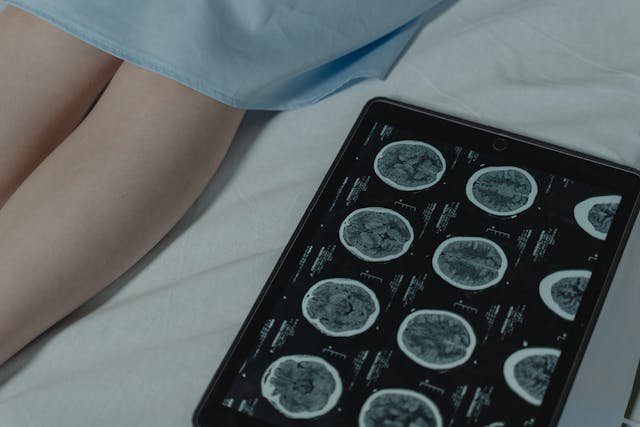
A brain injury transforms the landscape for everyone involved—both the individual affected and those around them. Families often describe the aftermath of a diagnosis as disorienting, marked by the presence of a loved one who feels altered, while available support systems can seem overwhelming or inaccessible.
Grasping the complexities of acquired brain injury and recognizing what effective assistance entails represent crucial initial steps.
Understanding Acquired Brain Injury
Acquired brain injury (ABI) encompasses any damage to the brain occurring post-birth, including traumatic injuries from accidents, falls, or assaults, as well as non-traumatic origins like strokes, hypoxia, encephalitis, and tumors. Unlike progressive conditions such as Parkinson’s or dementia, ABI does not follow a predictable trajectory.
Individuals with injuries in the same brain area might exhibit vastly different symptoms, and even the same person can show significant variations in their condition week by week.
This lack of predictability poses profound challenges for families. Clear prognoses or timelines for recovery are rare. While some individuals show remarkable improvement, others might plateau.
Many experience advancements in certain areas while grappling with persistent challenges in others. This is not an indication of failure; it simply reflects how the brain responds to trauma.
The Spectrum of Challenges
Acquired brain injury can lead to challenges across physical, cognitive, emotional, and behavioral dimensions, often occurring simultaneously. For instance, one individual may retain good mobility but struggle significantly with memory and processing, while another might have physical impairments but demonstrate strong emotional resilience. There is no universal profile.
Physical complications may include fatigue, weakness, chronic pain, and balance issues, which can sometimes be the most noticeable obstacles, yet they do not always represent the most debilitating factors. Cognitive challenges—like poor focus, memory difficulties, issues with planning, and slowed mental processing—can significantly impact daily activities, often more so than physical symptoms.
Emotional and psychological repercussions are also common and frequently underestimated.
Issues such as depression, anxiety, emotional instability, and difficulties managing frustration often arise after brain injury. These manifestations are not personal flaws or failures of determination; they are neurological consequences of the injury, and they respond well to appropriate interventions.
The Evolving Nature of Support Needs
A fundamental aspect of acquired brain injury care is understanding that support requirements evolve over time. Initially, the emphasis is typically on medical stabilization and early rehabilitation. As individuals reintegrate into their communities, the focus shifts toward relearning daily living skills, enhancing independence, and adapting to a new self-concept.
Even years post-injury, support requirements can transform once more. Many discover that what worked well in their twenties may become challenging in their forties, as cognitive reserves decline with age. Moreover, alterations in living circumstances, loss of loved ones, relationship breakdowns, or moving houses can trigger setbacks that necessitate renewed support. Long-term assistance is about enabling individuals to lead fulfilling lives at any stage, rather than fostering dependency.
This dynamic is why inflexible care packages often fall short for people with brain injuries. Effective support must remain adaptive, frequently reassessed, and catered to the individual rather than solely focusing on the diagnosis.
Essential Insights for Families
Many families find themselves unprepared as they reach the post-discharge phase. While hospital teams provide critical care immediately following an injury, the transition home often lacks adequate support. Families frequently have to navigate services on their own, often without a clear understanding of both what’s available and what their loved one truly needs.
This burden emotionally weighs heavily on those closest to the injured individual. Caregivers often express feelings of grief, seclusion, and fatigue, particularly when behavioral or emotional shifts make their relationships feel unfamiliar. Support for caregivers—including respite, peer networks, or psychological assistance—is essential; it contributes to the overall framework of effective care.
Many are acutely aware of their difficulties and strongly motivated to thrive. Quality support acknowledges and respects this motivation. It should center on the individual’s goals and be provided by professionals who comprehend the unique challenges associated with brain injury rehabilitation.
Navigating the Future
There is no singular roadmap for navigating life after a brain injury. Recovery and adjustment vary for each individual, and required support changes as circumstances evolve. The constant factor is having knowledgeable and experienced individuals alongside both the injured person and their family.
Families that receive specialized guidance early on typically report higher confidence in their choices. Although the journey can be complex, it becomes significantly less isolating when supported by informed expertise.