

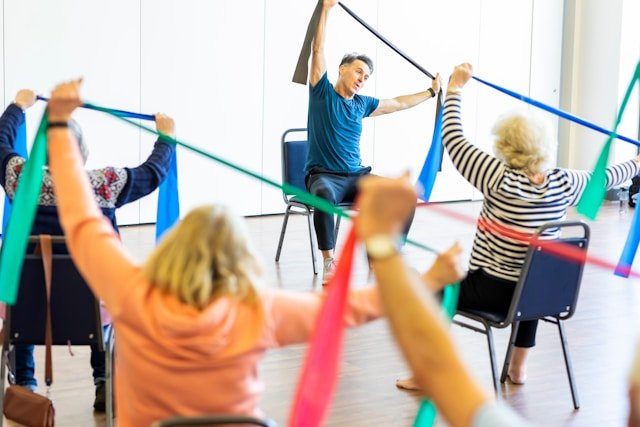
Recovering from a stroke can often feel daunting, especially as you navigate changes in movement, speech, or self-sufficiency while trying to determine your next steps. One of the pivotal choices you’ll face is selecting the appropriate physical therapy provider. The level of care, the therapists’ expertise, and the program’s structure can greatly influence your recovery outcomes.
It’s essential to consider specialized rehabilitation as recovery is seldom a straightforward journey. Achieving progress may require time, and a dedicated team can help you rebuild strength, relearn necessary skills, and restore your confidence at a comfortable pace. If you’re on the lookout for highly-rated physical rehabilitation facilities for stroke recovery, this guide highlights some of the most reputable options across the U.S.
1. PAM Health
PAM Health stands as a premier national provider of post-acute care and rehabilitation, expertly designed to facilitate recovery from intricate conditions, including ischemia. Its unique integrated care model distinguishes it as one of the top stroke rehabilitation hospitals in the country, enabling patients to transition through varying stages of care without needing to change providers.
This seamless continuity is crucial during the healing process, which frequently involves evolving needs. PAM Health emphasizes exceptional outcomes, patient satisfaction, and specialized programs, backed by dedicated teams in state-of-the-art facilities.
Key Features
- Integrated care continuum: Comprehensive inpatient, outpatient, and home health services within a unified system.
- Disease-specific certifications: Programs tailored to meet neurological and stroke recovery requirements.
- Advanced therapy environments: Led by physicians and supported by trained therapists specializing in post-ischemia rehabilitation, utilizing cutting-edge technology like robotic-assisted step training.
2. Mayo Clinic
Mayo Clinic boasts one of the nation’s most extensive stroke rehabilitation programs, featuring a multidisciplinary approach where specialists collaborate to devise a customized recovery plan.
Patients have access to coordinated treatments that may encompass physical, occupational, and speech therapies, along with specialized care for managing post-stroke complications. This holistic approach ensures that the treatment addresses the patient as a whole rather than solely the impacts of the stroke.
Key Features
- Team-based care model: Cooperation among various specialists.
- Personalized treatment plans: Individualized programs designed to align with personal goals for enhanced success.
- Advanced facilities: Utilization of the latest rehabilitation technology to facilitate recovery.
3. Shirley Ryan AbilityLab
Shirley Ryan AbilityLab is well-regarded for its research-focused approach to post-ischemia rehabilitation. The institution merges clinical care with ongoing scientific research, allowing for the real-time application of innovative therapies and techniques.
This method holds particular significance for patients facing complex or severe conditions. The center further addresses common coexisting issues related to ischemia, such as aphasia and mobility challenges, providing a more comprehensive treatment experience.
Key Features
- Translational research model: Combines scientific inquiry with therapeutic practice for advanced treatment solutions.
- Expertise in complex cases: Strong emphasis on treating severe neurological conditions.
- Collaborative healing environment: Clinicians and researchers partner to enhance patient outcomes.
4. Johns Hopkins Hospital
Johns Hopkins Hospital is renowned for its robust research foundation and evidence-based rehabilitation programs. Its services aim to assist patients in regaining autonomy through precise therapy, pioneering techniques, and nutritional guidance, such as enhancing Omega-3 intake to benefit the heart and brain.
The facility provides specialized clinics that tackle stroke-related issues, complemented by advanced tools like functional electrical stimulation and virtual reality-assisted therapy, making it an appealing choice for patients seeking research-informed treatment.
Key Features
- Research-driven treatment: Programs based on the latest scientific evidence.
- Advanced therapy tools: Utilization of innovative rehabilitation technologies.
- Specialized clinics: Focused support for conditions such as aphasia and mobility difficulties.
5. Kessler Institute for Rehabilitation
Kessler Institute for Rehabilitation is a prestigious provider that merges evidence-based therapy with advanced rehabilitation technology. The focus is on assisting patients in regaining functionality through structured programs that emphasize light mobility for circulation, strength enhancement, and independence restoration.
The institute also engages in clinical research, which allows patients access to cutting-edge treatment techniques. Located in New Jersey, Kessler provides a strong combination of clinical excellence and modern therapeutic approaches.
Key Features
- Technology-enhanced therapy: Incorporation of robotics and advanced rehab tools.
- Evidence-based programs: Structured approaches founded on proven methodologies.
- Accredited facility: Acknowledged for upholding high clinical standards.
Comparing Top-Ranked Physical Rehabilitation Centers for Stroke Recovery
The ideal provider for your recovery should offer consistent support, both physical and emotional care, along with strategies to help you adjust in everyday life in pursuit of your goals.
| Provider | Primary Strength | Geographic Scope | Best For |
| PAM Health | Integrated care continuum | National | Patients seeking consistent support throughout all phases of recovery |
| Mayo Clinic | Multidisciplinary therapies | Limited locations | Individuals needing tailored, team-oriented rehabilitation plans |
| Shirley Ryan AbilityLab | Research-driven rehab | Single location in Chicago | Patients with complex or severe conditions |
| Johns Hopkins Hospital | Research-backed programs | Maryland region | Those desiring innovative, evidence-supported therapy options |
| Kessler Institute | Technology-forward therapy | New Jersey region | Patients looking for structured, evidence-based rehabilitation |
FAQ
What should I evaluate in a physical therapy center?
Seek a provider that hosts a dedicated stroke rehabilitation program, employs experienced therapists, and has a multidisciplinary team. Facilities that monitor patient outcomes and present various care levels typically offer more reliable support throughout recovery.
How long does stroke rehabilitation typically last?
Recovery durations can significantly vary; some individuals may notice improvements within weeks, while others could take months or even longer. The rehabilitation length is influenced by the severity of the ischemia, your overall condition, and your adherence to therapy.
Is nutrition influential during recovery?
Absolutely, nutrition plays a vital role in recovery by supporting healing and maintaining energy levels throughout rehabilitation. A balanced diet contributes to better outcomes and overall wellness.
Choosing the Right Stroke Rehabilitation Facilities in the U.S.
Selecting the appropriate physical therapy provider for stroke recovery can significantly impact your journey towards regaining independence. Each mentioned facility offers distinct strengths, whether through sophisticated research, integrated care, or individualized treatment options.
Your next step involves aligning those strengths with your unique needs, location, and recovery objectives. With the right support network, the path to consistent progress becomes much more attainable.