


Over time, numerous typical household issues can build up unnoticed. A subtle odor that lingers or water that appears slightly cloudy might initially come off as trivial. However, these seemingly minor indicators could signal deeper problems that may influence respiratory health, immune response, skin conditions, and even energy levels. Recognizing these dangers empowers homeowners to address them promptly, reducing the risk of discomfort and chronic health issues.
This article examines prevalent household hazards, their possible health repercussions, and actionable strategies for prevention.
Mold and Humidity
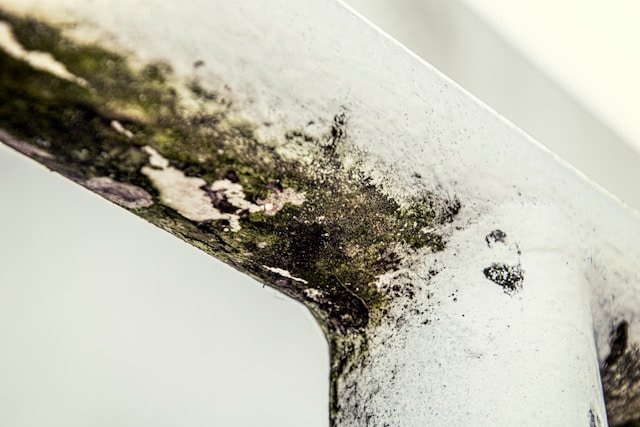
A recent global investigation revealed that approximately 47% of residential properties show indications of moisture or indoor mold, underscoring the extensive nature of dampness-related issues in homes. Excess moisture inside creates ideal conditions for mold proliferation. Once established, mold releases tiny spores into the atmosphere.
The health implications can range significantly among individuals inhaling these airborne particles. While some may endure minor allergy symptoms like sneezing and itchy eyes, others might face more severe respiratory complications including wheezing or sinusitis. Those suffering from asthma or compromised immune systems are especially at risk.
Common signs of mold include stained areas on walls, flaking paint, or dark patches around windows and ceilings. An enduring musty scent often serves as an early indicator, even when mold is not visible. Effective moisture management is crucial for prevention, as mold cannot thrive without it.
Contaminated Water
Water supplies ought to be pure and safe; however, improperly installed or subpar plumbing can lead to concealed issues such as leaks and contamination as they age or deteriorate.
Inferior materials like polybutylene pipes frequently contribute to household water leaks due to their tendency to burst and fracture. As plumbing systems degrade or fixtures malfunction, impurities such as rust, bacteria, and heavy metals can infiltrate the water supply, leading to unexpected flavors, odors, or moisture around plumbing fixtures.
Drinking contaminated water can result in gastrointestinal discomfort, including nausea, vomiting, or stomach cramps, with potentially long-lasting health effects depending on the contaminants and level of exposure. Prompt detection and timely upgrades to aging plumbing can substantially mitigate the risk of water contamination.
Sewage Problems
Failure of drainage systems can lead to unpleasant and hazardous circumstances. Sewage issues can introduce dangerous pathogens into the household, particularly if wastewater begins to backflow or leak from underground pipes.
Exposure to these harmful substances may result in infections and digestive issues. In severe cases, ongoing exposure can contribute to more serious bacterial or viral infections.
Typical warning signs include sluggish drains, lingering unpleasant odors, or water pooling around outdoor drainage areas. Sewer leaks are particularly recognizable by their distinct odor and unusual gurgling or bubbling noises. It is vital to respond promptly to these signs to prevent the spread of contamination within living spaces.
Household Chemicals and Hidden Hazards
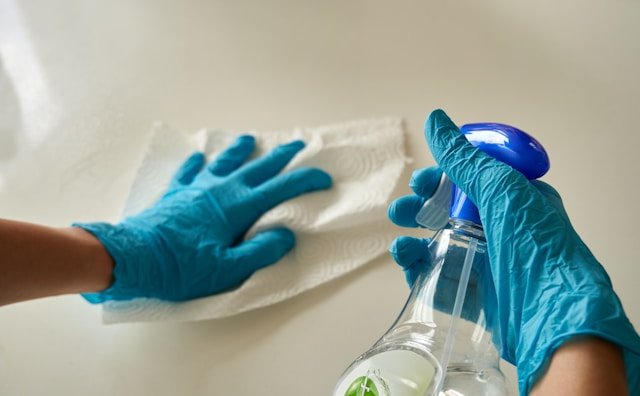
Most cleaning and maintenance products found in homes contain chemicals that emit vapors into indoor air. While these products are typically safe for regular use, prolonged exposure in areas with inadequate ventilation can lead to discomfort and irritation. For instance, paints, cleaning sprays, air fresheners, and adhesives can release volatile organic compounds (VOCs). Regular inhalation of VOCs may result in headaches, dizziness, nausea, and respiratory distress.
Minimizing exposure to airborne toxins and chemical irritants is essential for enhancing indoor well-being, especially for individuals with sensitivities or allergies.
Indoor Air Quality
Surprisingly, indoor air can be more contaminated than outdoor air, especially in tightly sealed or poorly ventilated homes. Daily activities like cooking, cleaning, and heating can impact indoor air quality.
No matter how clean a residence may appear, dust and other allergens can accumulate over time. Inhaling these particles may lead to headaches, fatigue, throat discomfort, and exacerbation of respiratory conditions.
Poor indoor air quality can also trigger a variety of allergy symptoms, ranging from mild nasal congestion and skin irritations like itching or rashes to severe allergic reactions. Extended exposure to low-quality air can further weaken the immune system, increasing susceptibility to illnesses. Regular ventilation and air filtration are essential to maintain cleaner indoor air.
Effective Strategies for a Healthier Home
Ensuring a healthy living environment depends on ongoing maintenance rather than one-time solutions. Minor regular checks and straightforward adjustments can yield significant benefits over time, alleviating persistent household concerns.
- Keep track of moisture –Monitor for condensation, damp spots, and humidity levels, particularly in kitchens and bathrooms.
- Enhance daily airflow –Open windows as appropriate and utilize exhaust fans to minimize trapped pollutants and excess humidity.
- Regularly check plumbing –Inspect for leaks, slow drainage, or discoloration and address problems early to prevent escalation.
- Update outdated materials –Replace aging plumbing or fixtures that could pose leak or contamination risks.
- Reduce chemical exposure –Opt for low-toxicity cleaning products and ensure proper ventilation when using sprays or solvents.
- Properly maintain drainage systems –Avoid grease accumulation in sinks, arrange routine drain assessments, and resolve blockages swiftly to prevent contamination or backup.
- Clean ventilation systems regularly –Dust vents, fans, and filters to ensure efficient air circulation.
- Be alert for early mold indicators –Address small spots or musty odors immediately to hinder further spread.
- Schedule regular evaluations –Periodic professional inspections can uncover hidden issues before they pose health risks.

Healthier Living Every Day
A meticulously maintained home fosters physical well-being, leading to increased energy, better sleep, and overall life quality. Ultimately, establishing a healthy living environment is an ongoing journey rather than a single task. Small, consistent efforts can significantly enhance long-term health and prevent unnecessary household challenges.