

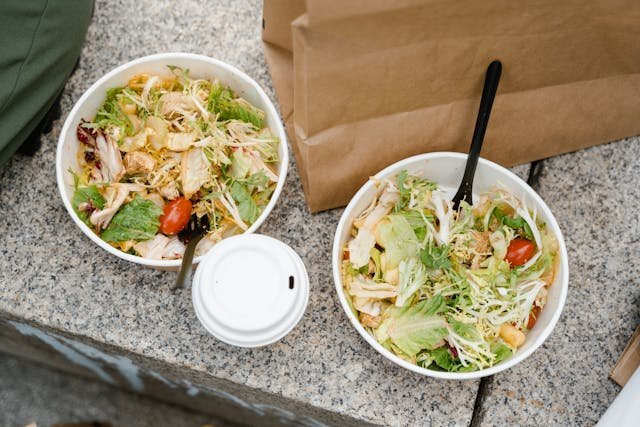
Preparing dinner every night can be challenging, and takeout often provides the comfort and convenience we crave after a hectic day. While some may think that ordering in equates to abandoning healthy eating habits, that’s not necessarily true. By implementing a few straightforward strategies, you can savor your preferred dishes while staying aligned with your nutritional objectives. Here are five effective, nutritionist-endorsed tips to make your takeout choices healthier.
1. Opt for Grilled, Steamed, or Roasted Selections
Grilled, baked, roasted, steamed, and broiled options generally utilize less oil and retain more nutrients, particularly in proteins and vegetables. In contrast, fried, crispy, or creamy meals are often significantly higher in saturated fats and calories. When it comes to cooking oils, olive oil is a better option due to its anti-inflammatory properties and benefits for heart health. If you’re uncertain about the preparation method, don’t hesitate to ask the restaurant.
For instance, tacos featuring grilled chicken are usually lighter than those stuffed with fried chicken. Similarly, steamed dumplings are often more beneficial than fried egg rolls, and roasted vegetables provide flavor and fiber without excessive grease. If the menu lacks specific cooking methods, consider requesting grilled or steamed options when placing your order.
2. Incorporate Vegetables into Every Meal
Many takeout menus may not focus on vegetables, but including them enhances the nutritional balance of your meal. Adults are generally advised to consume about 25 to 30 grams of fiber daily to promote gut health and stabilize blood sugar levels. Vegetables contribute essential fiber, micronutrients, and bulk, making the meal more satisfying with minimal added calories.
For example, if you’re ordering a sandwich or burger, consider adding a side salad or opting for grilled veggies. Choose pasta dishes that feature spinach, mushrooms, or zucchini. Numerous Asian and Mediterranean restaurants provide vegetable sides or allow additional vegetable toppings on your main dish.
3. Be Wary of “Healthy” Labels
Some eateries label their dishes as healthy, yet they can still be laden with sugar, salt, and extra calories. Grain bowls, smoothie bowls, and even salads can surprise you with their calorie content if they’re filled with sugary sauces, creamy dressings, cheese, or fried elements.
Sodium levels can be problematic, even in meals that appear light. Most adults should limit their sodium intake to less than 2,300 milligrams per day, but many exceed this. Processed meats like bacon, sausage, and salami are typical culprits. Opt for lean proteins like grilled chicken or plant-based choices such as tofu to minimize sodium without sacrificing fiber.
A quick review of the dish’s ingredients can be enlightening. Swapping out creamy dressings for vinegars, avoiding fried toppings, or requesting dressings on the side are simple ways to maintain control over your meal without significant compromises.
4. Keep an Eye on Portion Sizes
Portions in takeout restaurants are often larger than what you’d typically serve at home. However, that doesn’t mean you need to finish everything in one go. Setting aside part of your meal for later or sharing an entrée can help prevent that overly stuffed sensation.
Another strategy is to consider ordering from the appetizer menu or selecting kid’s meals, which can often provide a more appropriate portion size. Additionally, pairing your main dish with lighter sides, like soup, a small salad, or steamed vegetables, instead of opting for two heavier items can be beneficial. Eating slowly and stopping once you feel satisfied is usually more fulfilling than forcing yourself to finish an entire portion just because it’s available.
5. Strive for Balance
Nutritionists often advise creating well-rounded meals that encompass protein, fiber, complex carbs, and healthy fats. Achieving this balance is still feasible even with takeout.
For example, you could match a rice bowl with a protein source like chicken or tofu and add a vegetable side. Alternatively, consider a thin-crust pizza accompanied by a salad instead of breadsticks. Ordering sushi alongside miso soup and edamame can provide a more balanced meal than choosing a large roll topped with fried ingredients. Plus, including protein in your meals helps you feel satiated and reduces cravings.
Perfection isn’t necessary; simply aim to introduce a bit more variety into your takeout choices to enhance your wellness and meet your dietary goals.
Healthy Takeout Can Fit into Your Lifestyle
You don’t have to compromise on your dietary targets when it comes to enjoying takeout. By making a few simple adjustments, you can relish your favorite dishes while feeling confident about your culinary choices.