

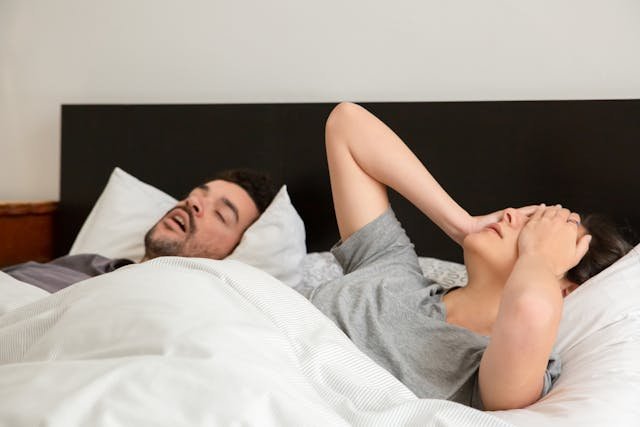
For numerous individuals affected by sleep apnea, continuous positive airway pressure (CPAP) therapy typically serves as the primary treatment option. While CPAP is beneficial for many, certain patients may experience challenges such as discomfort, noise, fitting issues, or difficulties with long-term adherence. Such challenges can lead to frustration and hinder progress towards restful sleep.
Thankfully, advancements in sleep medicine are introducing new methods and therapies that offer patients alternatives for managing sleep apnea while enhancing comfort and overall quality of life. For those looking to learn more about different treatment options and emerging strategies, it is worthwhile to explore resources related to sleep apnea care.
Here are ten key insights into contemporary approaches to sleep apnea care alongside the rising dialogue regarding alternatives to CPAP.
1. Defining Sleep Apnea
Sleep apnea is a disorder characterized by intermittent breathing disruptions during sleep. These interruptions can happen numerous times throughout the night and can severely impact sleep quality, energy levels, and overall health.
Many individuals are unaware that they have sleep apnea until symptoms like loud snoring, chronic fatigue during the day, or disrupted sleep become too pronounced to overlook.
2. Popularity of CPAP Therapy
CPAP therapy functions by providing a continuous stream of air through a mask, keeping the airways open during slumber. It has long been regarded as one of the most effective treatments for obstructive sleep apnea.
For numerous users, CPAP significantly enhances sleep quality when it is utilized consistently and correctly.
3. Issues Associated With CPAP Usage
Despite its effectiveness, not every patient finds CPAP easy to adapt to. Some may encounter issues like discomfort from the mask, dry mouth, pressure sensations, or struggles with acclimating to sleeping with apparatus.
Such difficulties can complicate long-term adherence, prompting healthcare practitioners to consider alternative treatment options.
4. Increased Interest in Alternative Treatments
As awareness of sleep health grows, so does the interest in exploring treatment options beyond traditional CPAP machines. Patients are now actively seeking solutions that align with their comfort levels and lifestyles.
This rising interest has fueled innovation in treatment technologies and methodologies for sleep apnea.
5. The Importance of Tailored Sleep Apnea Care
Not all cases of sleep apnea are alike. Various factors such as severity, anatomical considerations, lifestyle choices, and personal comfort preferences all play a role in treatment decisions.
A customized strategy enables healthcare providers to recommend options that are specifically suited to the individual, moving away from a generic approach.
6. Significance of Sleep Studies and Diagnostics
Providing an accurate diagnosis is crucial for effective treatment. Sleep studies assess breathing patterns, oxygen saturation, and the extent of sleep disruptions.
These assessments yield essential information that helps determine the most suitable treatment method.
7. The Role of Comfort in Treatment Success
Comfort plays a significant role in the effectiveness of sleep apnea treatments. Even the most effective therapies might not be beneficial if patients struggle to maintain them comfortably over time.
Prioritizing discussions centered on comfort can lead to better long-term adherence and increased satisfaction among patients.
8. Technological Advancements in Sleep Medicine
The field of sleep medicine has made tremendous strides in recent years. New technologies are opening up possibilities for patients who have found traditional methods challenging.
As innovations continue, patients have an increasing array of options to consider that match their specific needs and preferences.
9. Empowering Patients Through Education
Gaining knowledge about sleep apnea and the various treatment options enables patients to engage more fully in their care decisions. Understanding these choices reduces doubt and fosters more informed discussions with healthcare providers.
Moreover, education can help patients recognize that common challenges in treatment are often manageable.
10. Enhancing Overall Wellness Through Better Sleep
Quality sleep has a substantial impact on nearly every facet of daily life, including focus, mood, energy levels, and overall health. Properly addressing sleep apnea can lead to improved rest and a heightened sense of well-being.
When treatments become more comfortable and sustainable, patients are likely to see better long-term outcomes.
Concluding Thoughts
The treatment landscape for sleep apnea has broadened and is no longer confined to a single method. Although CPAP remains a highly effective option for many, continual advancements in sleep medicine are paving the way for alternative treatments.
The key is to stay informed and collaborate closely with healthcare professionals to discover solutions that are both effective and comfortable. As awareness expands and innovations arise, care for sleep apnea is becoming increasingly personalized, adaptable, and patient-centered.