

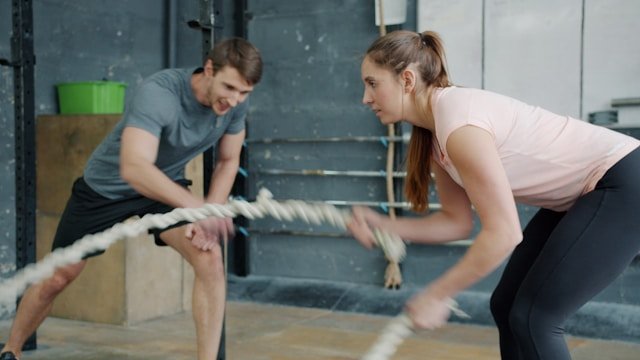
In recent years, the concept of functional strength has gained significant attention. While physical therapists and fitness enthusiasts often discuss it as if it’s a fad, the truth is that it encompasses much more. This training focuses on building muscle and enhancing coordination, specifically tailored for everyday movements such as bending, lifting, reaching, and squatting.
Consider the simple act of picking up a grocery bag. You tend to bend down, grasp the handle, and lift it on one side. This seemingly straightforward action engages multiple muscle groups, including the legs, lower back, shoulders, arms, and core. Though you might think this activity will always be easy, it’s crucial to train for such motions, particularly as you age.
Luckily, there are several effective strategies to enhance functional strength. Below are three of the most effective methods.
Non-Traditional Load and Carry Techniques
While traditional lifts like barbell squats and deadlifts are excellent, life seldom presents you with a perfectly balanced barbell. Instead, you often find yourself dealing with awkward items such as grocery bags, laundry baskets, moving boxes, or even a child who insists on being carried.
This is where non-traditional loading becomes advantageous.
By intentionally training with uneven or shifting loads, such as sandbags, water-filled implements, or a weighted backpack, you can challenge your stabilizing muscles. The dynamic nature of these loads compels your body to engage more balance and strength.
Carrying techniques, in particular, are very effective. Farmer’s carries, suitcase carries, and front-loaded carries engage the grip, shoulders, core, and hips simultaneously. They also promote better posture. Essentially, these movements help refine the ability to maneuver under load—something you do daily without even thinking about it.
If you’re interested in training with a backpack, it’s a straightforward method to integrate functional strength exercises. A well-packed backpack can turn simple activities like walking, lunging, or stair climbing into effective strength-building workouts without the need for advanced equipment.
The emphasis here is on control. Maintain an upright posture. Move deliberately. Allow your body to adapt and grow stronger.
One-Sided Training (Unilateral Exercises)
In everyday life, it’s uncommon to use both sides of your body equally. When you ascend stairs, you step one leg at a time. Groceries are often carried with one hand, and reaching typically occurs with one arm. However, many exercises in the gym promote balanced training on both sides.
This is where unilateral training addresses that imbalance.
Focusing on one side at a time builds the stabilizing muscles around the hips, knees, and shoulders, which helps reduce the risk of injury and enhances overall control.
Light weights are often more effective for these exercises. They allow you to concentrate on balance, proper movement, and maintaining good posture with smooth controls. The aim is to master the movement without excess wobbling.
Rotational Movements and Core Integration
Life encompasses more than just forward and backward motions; it includes rotation as well. You twist to retrieve items from the back seat of your car, turn while putting dishes away, and reach across your body.
Your training regimen should reflect these movements.
Rotational exercises, such as cable chops, controlled torso rotations, and medicine ball throws, strengthen the muscles that provide stability during twisting movements. This involves the obliques, deep core muscles, hips, and upper back.
However, effective core training is not about performing countless crunches; it’s about resisting unnecessary motions while controlling your own. Movements like cross-body lifts and Pallof presses train your core to stabilize as your limbs perform various actions.
This connectivity is essential. When your core works seamlessly with your hips and shoulders, your movements feel more fluid and powerful. You can generate force efficiently, protect your spine, and move with confidence.
In summary, functional strength training goes beyond flashy workouts. It prepares your body for the demands of everyday life, both now and in the future. By incorporating uneven loads, performing unilateral exercises, and adding rotational movements, you will develop strength that proves beneficial when it’s needed most.