

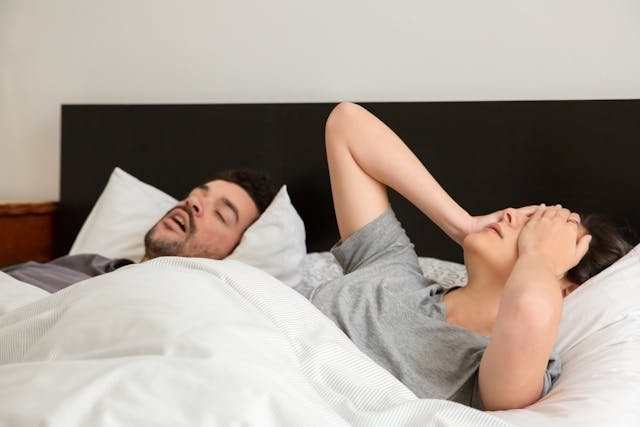
For numerous individuals affected by sleep apnea, the standard treatment option is continuous positive airway pressure (CPAP) therapy. While CPAP proves beneficial for many, others may encounter issues such as mask discomfort, noise, improper fit, or challenges in sustaining long-term use. Such difficulties can lead to frustration and hinder progress towards improved sleep outcomes.
Fortunately, advancements in sleep medicine are opening up new avenues for treatment. Innovative therapies are emerging, allowing patients to consider alternative methods for managing sleep apnea that enhance comfort and overall quality of life. Individuals eager to learn about these new treatment possibilities can benefit from exploring sleep apnea resources.
Here are ten key insights into contemporary sleep apnea management and the evolving dialogue surrounding CPAP alternatives.
1. Defining Sleep Apnea
Sleep apnea is a disorder characterized by respiratory interruptions during sleep, leading to repeated pauses that diminish sleep quality, energy levels, and overall health.
Many people remain unaware of their condition until symptoms like loud snoring, excessive daytime sleepiness, or sleep disruptions become prominent.
2. The Popularity of CPAP Therapy
CPAP therapy functions by supplying a continuous stream of air through a mask, keeping the airways unobstructed during sleep. It is widely recognized as a highly effective treatment for obstructive sleep apnea.
For a large number of users, CPAP notably enhances sleep quality when utilized consistently and properly.
3. Common Challenges with CPAP Use
Despite its efficacy, CPAP may not be the best fit for every patient. Some individuals face issues such as discomfort from the mask, dry mouth, sensation of pressure, or difficulty acclimating to sleeping with the device.
Such obstacles can complicate long-term commitment, prompting healthcare providers to consider alternative treatment approaches.
4. Rising Interest in Alternative Therapies
As public awareness of sleep health grows, so too does the desire for treatment options beyond the traditional CPAP. Many patients now seek alternatives that cater to their comfort and lifestyle.
This increased interest has stimulated advancements in treatment technologies and methodologies for sleep apnea.
5. The Importance of Customized Sleep Apnea Treatment
Because sleep apnea manifests differently in each person, factors such as severity, individual anatomy, lifestyle choices, and personal comfort all play a role in shaping treatment recommendations.
By adopting a personalized treatment approach, healthcare providers can suggest tailored options rather than applying a generic strategy.
6. The Significance of Sleep Studies in Diagnosis
Accurate identification of sleep apnea is crucial for effective treatment. Sleep studies assist in assessing breathing patterns, oxygen saturation, and the extent of sleep disturbances.
This information is essential in determining the most suitable treatment direction.
7. The Impact of Comfort on Treatment Outcomes
Comfort is a critical factor influencing the success of sleep apnea treatments. Even the most effective therapies may fall short if patients cannot comfortably adhere to them over time.
Discussions focused on comfort can significantly enhance long-term compliance and patient satisfaction.
8. The Influence of Technology on Sleep Medicine
Recent years have seen substantial advancements in sleep medicine. New technologies are paving the way for patients who may have struggled with conventional treatment options.
As innovative solutions emerge, patients gain access to a broader range of treatment opportunities that align with their preferences and needs.
9. The Empowering Role of Education
Educating patients about sleep apnea and available interventions fosters active engagement in their care choices. With a clearer understanding of their options, patients can have more meaningful discussions with healthcare providers.
Education also helps patients comprehend that encountering challenges in treatment is both common and manageable.
10. The Connection Between Sleep Quality and Overall Well-Being
Restorative sleep impacts numerous aspects of life, including focus, mood, energy levels, and health. Addressing sleep apnea effectively contributes to improved rest and an enhanced sense of well-being.
When treatment options become more comfortable and feasible, positive long-term health outcomes usually follow.
Concluding Thoughts
The landscape of sleep apnea treatment has expanded beyond a singular method. While CPAP remains a highly effective solution for many, continuous advancements in sleep medicine are providing diverse alternatives for those seeking different options.
The key is to remain informed and collaborate closely with healthcare professionals to discover solutions that balance effectiveness with comfort. As awareness grows and innovation progresses, sleep apnea management is becoming increasingly tailored, adaptable, and centered on the patient.