

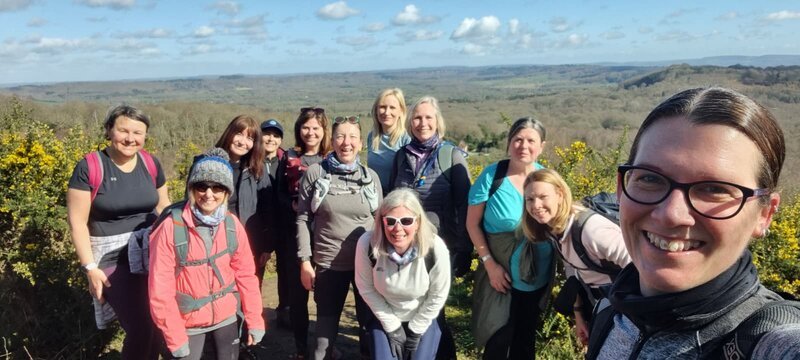
Having led several group hikes, I’ve come to realize that the key to a fantastic day outdoors versus a tough slog often hinges on one crucial factor: the right gear. While overpacking isn’t necessary, packing a few vital items is essential. In this article, I’m outlining my essential day hike packing list, which encompasses what I carry, what I wear, and those small items that can significantly enhance your experience if the weather takes an unexpected turn.
Comfortable Footwear
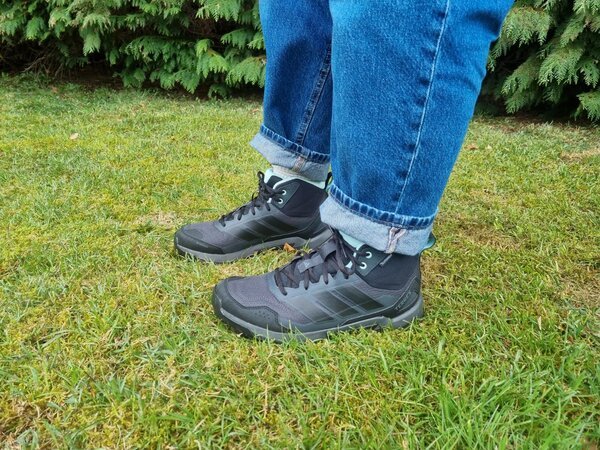
The most critical aspect of hiking gear is undoubtedly your choice of footwear, earning the top spot on my day hike packing list. After hours on the trail, your feet will be grateful for comfortable and supportive hiking shoes that are designed specifically for outdoor activities.
I learned this lesson the hard way when I opted for ill-fitting footwear during a trek along the South Downs Way. Using new boots that hadn’t been broken in resulted in painful blisters, making the second day of hiking far more difficult than it should have been.
Since discovering the adidas Terrex walking boots, my footwear woes have disappeared. I frequently discuss them on my blog, not just because they are outstanding, but because I’m genuinely a fan. I’ve owned three pairs and even managed to convert my husband into an admirer. One of the perks of being an adidas ambassador is the opportunity to sample their latest boots.
However, it’s critical to emphasize why comfortable hiking boots should be on your packing list, along with the key features to consider: you want traction, ankle stability, cushioning, some level of waterproofing, and the crucial factor—make sure they are broken in!
Additionally, don’t overlook the significance of quality socks. The wrong pair can detrimentally impact comfort and elevate your risk of blisters. Personally, I prefer double-layered socks, as they tend to cause less friction, and waterproof socks are essential in particularly wet conditions.
If you’re hiking as a family and including kids on your adventure, it’s just as vital for them to have comfortable footwear. Once little feet start to ache, enthusiasm can quickly diminish. Look for supportive soles, adequate grip, and boots that they can wear comfortably from the get-go.
The Right Bag
You’ll need a bag to carry your hiking equipment, and while it may seem that a bag is simply a bag, there are several factors to keep in mind to ensure a pleasant hike.
The first consideration is size. I find that a bag with a capacity of 20-30 liters is ideal for housing everything I need, though I do tend to overpack. For shorter, mild-weather hikes, a 10-15 liter bag might suffice. If you’re looking for a new bag, create your day hike packing list first to understand what items you’ll be bringing; this helps determine the right size. Always do a test pack prior to the day of your hike.
Comfort and fit of the straps are also paramount. Poorly fitting straps can lead to chafing, and trust me, you want to avoid that at all costs!
Moreover, pocket availability is crucial. The more pockets you have, the easier it is to organize and access items. Front strap pockets are perfect for snacks, tissues, or your phone for photos and maps. Side pockets are convenient for water bottles, while small internal zipped pockets help keep essential items like keys safe so they don’t fall out mid-hike.
Hike Support
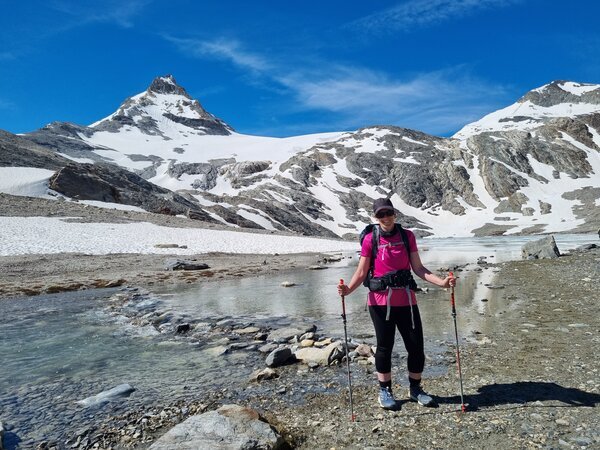
Some items on my day hike packing list might seem like optional extras, but I consider them essential for enhancing the experience. For group hikes, I always take a set of walking poles with me. While I don’t always use them, they provide extra stability when needed, especially when fatigue sets in.
Here are additional crucial items I believe you should include on your day hike packing list:
- A fully charged phone – This is essential for taking photos, accessing maps, and having emergency contacts at hand. If you plan to be out all day, include a portable charger; apps like Strava and OS maps can quickly drain battery life.
- Snacks – Packing the right snacks can greatly enhance your hiking experience. High-calorie options like trail mix, flapjacks, energy balls, and jerky are fantastic choices.
- Hydration – Be mindful of your water supply, as some trails may lack refill opportunities. I prefer to carry two 1-liter bottles—one with plain water and the other with squash or electrolytes, especially on longer, hotter hikes.
- A first aid kit – As a hike leader, this is crucial, but it’s equally important for personal safety. Include items such as band-aids, KT tape, antihistamines, alcohol wipes, an instant ice pack, pain relievers, a tick remover, and an emergency foil blanket.
Rain Prep
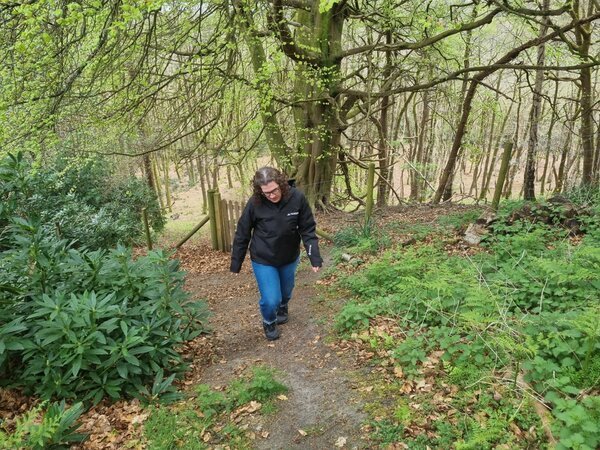
In the UK, unpredictable weather is the norm, making it vital to prepare for any scenario. Rain is nearly always a possibility!
Most quality day bags feature a foldable rain cover that shields your bag’s contents from getting damp. If yours lacks this, consider investing in a separate rain cover, which can be a worthwhile addition. Depending on the season, an internal dry bag can also be helpful for safeguarding your belongings against heavy rain.
A rain jacket is non-negotiable, regardless of what the forecast indicates. I recently acquired the adidas Terrex Xperior 2L Goretex jacket, which is ideal for hiking due to its lightweight, waterproof, and breathable design. It includes zipped pockets to secure your belongings, an adjustable hem to block rain, and conveniently folds into the hood for easy transport when sunny weather rolls in.
For rainy days, I also recommend lightweight packable waterproof trousers and a plastic bag. The trousers can be folded into a compact package, and the plastic bag is handy for various uses, such as storing wet clothes or providing a dry spot to sit and enjoy a meal if the ground is damp.
Sunshine
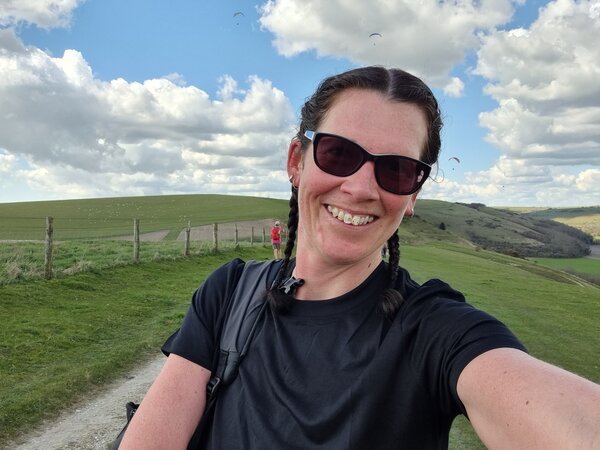
On the other hand, you might be fortunate enough to enjoy a beautifully sunny day, which comes with its own hiking necessities. My essentials for sunlit hikes include:
- Sunglasses – To guard your eyes against harmful UV rays while adding a stylish touch.
- Sun lotion – A must-have, preferably SPF 50, for sunny hikes. Apply it before you head out and bring a bottle to reapply as needed.
- Hat – A cap is perfect for shielding your face from the sun while also helping to keep rain out of your eyes, especially if you wear glasses.
- Hydration – As mentioned earlier, staying hydrated is essential in all weather, but it becomes even more critical in heat. Aim to drink regularly, needing approximately 0.5–1L per hour during hot conditions. Don’t forget to replenish electrolytes as you sweat.
Post-Hike Essentials
Preparation shouldn’t end with packing for the hike itself; you should also consider what you’ll need afterward. It’s wise to include items like:
- Change of clothes – Warm, cozy, and dry clothing is essential. If you’re hiking with kids, bring an extra full outfit even on dry days—they have a talent for finding muddy puddles! Aim for comfortable, cozy clothes to prevent post-hike meltdowns.
- Towel – Handy for drying off if you get wet or muddy before changing into fresh clothes.
- Bin bag – Use this for storing any wet or muddy gear to protect your car.
- Change of shoes – While your hiking shoes might be the most comfortable out there, nothing beats the bliss of switching to some slippers or comfy slides after a long day on the trail.
- Cash for the pub – Finally, what’s a hike without celebrating with a drink and some snacks at the pub afterward?
Stash all these items in your car, and your future self will definitely appreciate it.
Final Thoughts
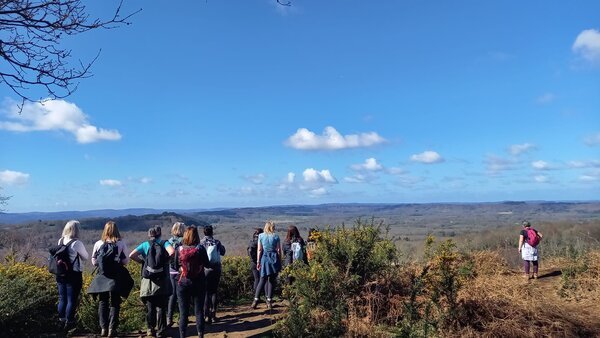
There’s nothing quite like spending a day hiking outdoors. Knowing there’s a whole day ahead for exploration, engaging conversations with friends, and enjoying some mental clarity is nothing short of magical. Being prepared with these hiking essentials ensures a smooth trip, allowing you to handle any situation that may arise.
* Collaboration with adidas.
Author Bio
 Becky Stafferton is a blog strategist and content creator. When she’s not writing, you can find her splashing through puddles, making to-do lists, engaging in witty banter with her two cockapoos, renovating her forest house, and teaching others how blogging can grow their businesses.