

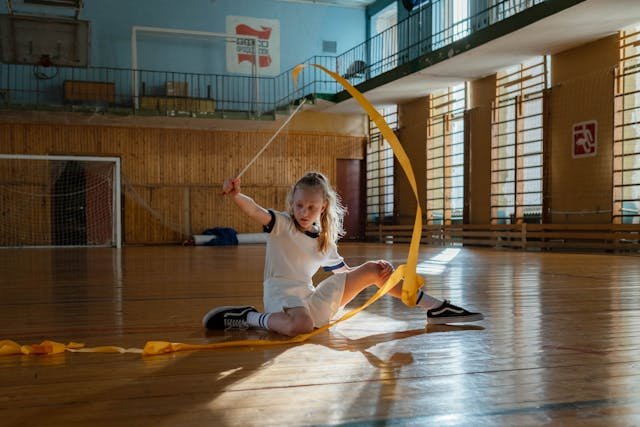
Physical Education (PE) serves as much more than a simple respite from standard academics; it is a vital aspect of a child’s developmental path. Its influence stretches beyond physical fitness to significantly contribute to emotional, social, and personal growth. PE plays a pivotal role in molding children into holistic individuals, promoting their mental and emotional health alongside their physical capabilities.
Through various sports, activities, and exercises, Physical Education cultivates an enriching setting where children acquire essential life skills. In our increasingly sedentary society, the value of physical education is more critical than ever. Let us explore the significant ways in which PE aids in the personal development and growth of children.
1. Fostering Confidence and Self-Worth
One of the most profound effects of PE lies in enhancing a child’s confidence and self-worth. Engaging in physical challenges and achieving personal goals allow children to recognize their own capabilities, encouraging them to stretch their limits and discover their potential. Be it perfecting a sport or increasing running speed, each success boosts their self-esteem. This encouragement through physical challenges instills values of persistence and self-belief, essential attributes that resonate beyond physical activities.
2. Boosting Academic Success
Remarkably, the advantages of PE also extend to academic performance. Collaborating with a K-12 physical education instructor, especially one pursuing a master’s degree in the field online, can provide numerous benefits. Their flexible training enables them to adopt new teaching techniques and technologies, thus meeting diverse educational needs.
This expertise allows them to create PE curricula that not only improve physical fitness but also enhance students’ focus, memory retention, and behavior in school. As these experienced instructors apply their enhanced knowledge, students enjoy a more interactive PE experience that dovetails with their educational and developmental aspirations, fostering substantial academic achievements.
3. Cultivating Social Interaction
PE is often considered a social classroom, where children develop essential interaction skills with peers. Through collaboration in team sports and group tasks, children learn vital lessons in communication, teamwork, and mutual respect. These experiences lay the foundation for robust interpersonal skills; the capacity to cooperate, lead, and follow is nurtured in these settings, benefitting various aspects of their lives.
4. Promoting Healthy Lifestyle Choices
Regular engagement in physical activities teaches children about the significance of maintaining good health through exercise. This early introduction to fitness and active movement lays the groundwork for lifelong healthy habits, helping to avert lifestyle-related illnesses. The crucial insights acquired through PE regarding fitness and wellness are particularly relevant in today’s world, where sedentary habits are increasingly prevalent.
5. Instilling Discipline and Accountability
Active participation in PE instills a sense of discipline and accountability. Children learn to adhere to rules, organize their time for physical activities, and take charge of their health and development. This discipline transcends the sports arena, impacting their engagement with academics and personal responsibilities. Managing their preparation for PE, keeping track of personal gear, and striving for skill improvement all teach children the significance of dedication and self-regulation.
6. Enhancing Mental Wellbeing
PE serves as a crucial support system for enhancing the mental health of children. Regular involvement in physical activities helps mitigate stress, anxiety, and depressive symptoms. The endorphins generated during exercise naturally elevate mood and foster a sense of relaxation. Furthermore, joining sports and physical activities provides children with a shared sense of community, fostering friendships crucial for emotional support and mental health. Within PE settings, children cultivate resilience, delighting in movement while learning to navigate life’s challenges positively.
7. Nurturing a Sense of Achievement
Physical Education offers a constructive platform for children to set, strive for, and realize their goals. Whether it’s enhancing their sprinting time, perfecting a gymnastics routine, or learning a tricky soccer maneuver, the joy derived from these achievements is invaluable. This sense of achievement promotes a growth mindset, encouraging children to embrace challenges and recognize setbacks as opportunities for learning. The confidence gained through successes in PE resonates in other life areas, motivating them to confront academic and personal obstacles with grit.
8. Promoting Respect and Sportsmanship
A key lesson ingrained in PE is the importance of respect—both for oneself and for others, as well as for the rules of play. Principles of sportsmanship and respect are emphasized through both team-based and individual sports. Children learn the importance of celebrating successes with humility and facing defeats gracefully. These experiences teach them resilience, empathy, and integrity, helping them to appreciate the contributions and capabilities of others irrespective of winning or losing, preparing them for the collaborative environments of the future.
9. Encouraging Risk-Taking and Tenacity
PE inspires children to step outside of their comfort zones and embrace calculated risks. This could manifest in trying a new sport, leading peers, or performing in front of an audience. Such experiences are essential for forming resilience as children learn to manage fear, failure, and uncertainty. They come to understand that setbacks are temporary, and that tenacity and bravery are pathways to personal growth and success. This resilience developed on the field becomes an integral element of their character, empowering them to face life’s challenges with assurance.
Conclusion
Physical Education constitutes a fundamental aspect of children’s personal development, delivering far more than just physical advantages. It fosters the mental, emotional, and social dimensions of growth, shaping them into confident, healthy, and resilient individuals. Through the diverse interactions offered in PE, children gain invaluable life skills like teamwork, discipline, and perseverance. These insights go beyond the context of sports and education, impacting their approach to various life challenges. As educators, caregivers, and community members, we hold the duty to support and promote robust physical education initiatives. By doing so, we ensure that our children receive the foundational skills needed to excel in all facets of their lives, both now and in the future. Physical education is not just an educational requirement; it is a crucial investment in our children’s future.