

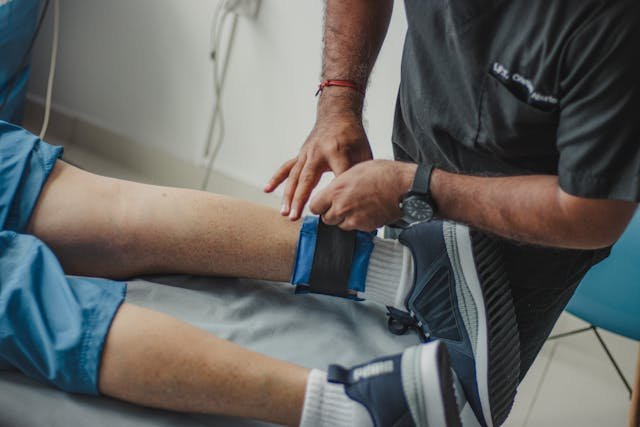
In the realm of sports, whether you’re a dedicated athlete or engage casually, injuries are a frustrating reality. Recovery can often feel lengthy and overwhelming, as it disrupts your engagement in beloved sports. However, adopting the right strategies can significantly enhance your healing process, enabling you to return to your preferred activity sooner.
There are numerous healthcare specialists trained in managing sports injuries who can provide essential guidance and methods to facilitate a quicker recovery. Various medical professionals focus on restoring the body’s alignment, improving muscle functionality, and enhancing overall health, thus aiding you in feeling your best once again.
This article outlines six vital strategies for swift and effective recovery from sports-related injuries and highlights the role chiropractic principles play in your healing journey.
1. Rest and Protect the Injury
The first step is clear: when a sports injury occurs, prioritizing rest and safeguarding the affected area is essential. Doing so allows the body to initiate its natural repair mechanisms.
To prevent exacerbating the injury, it is crucial to refrain from adding stress or strain. Instead, focus on allowing the injured tissues the necessary time to recover and minimize inflammation.
During this early phase, consider utilizing protective supports, such as braces or wraps, to limit movement and shield the injury from further trauma.
Combining sufficient rest with protective measures enables the body to direct its energy towards healing.
2. Utilizing Ice and Heat Therapy
Ice and heat therapy is an effective approach for pain management and accelerating recovery. Initially, applying ice to the injury within the first 48 hours helps minimize swelling by narrowing blood vessels and numbing the area. This step is critical in reducing tissue damage and alleviating discomfort.
Once the swelling decreases, heat therapy can be introduced to help soothe tense muscles, enhance blood flow to the injured region, and relieve stiffness, thus facilitating mobility recovery.
Employing these therapeutic techniques effectively supports recovery following a sports injury.
3. Consider Chiropractic Care
For more severe injuries or those requiring extended recovery, chiropractic care can be invaluable in addressing spinal and joint misalignments, which can hinder healing. Even minor traumas can disrupt alignment and lead to discomfort, reduced mobility, and delayed recovery.
A chiropractor can utilize targeted, controlled adjustments to realign the body, alleviating nerve pressure, enhancing joint function, and supporting natural healing processes.
Such adjustments focus on pain relief and can help restore biomechanical balance, allowing you to regain mobility and return to your favorite activities sooner than anticipated.
4. Embrace Gentle Stretching and Strengthening
Once the acute pain and inflammation diminish, it’s essential to start incorporating stretching and strengthening exercises to aid your recovery.
Engaging in low-impact stretches will help maintain and enhance flexibility, gradually restoring range of motion to the injured area and alleviating stiffness. Likewise, strengthening exercises can rebuild muscle function and stability around the injured site, providing better protection against future injuries.
However, exercise caution and consider working under professional supervision to avoid overexertion during this process.
5. Focus on Nutrition
Recovery extends beyond rest and movement—nutrition plays a pivotal role as well. Adequate nutritional intake is vital following a sports injury as it supplies the body with essential components for tissue repair and reducing inflammation.
A diet rich in protein supports muscle healing, while vitamin C contributes to collagen production, critical for restoring connective tissues.
Incorporating anti-inflammatory foods like leafy greens, berries, nuts, and fatty fish can help manage swelling and discomfort associated with injuries.
Additionally, staying hydrated and minimizing sugar intake will optimize your body’s nutrient absorption for a swifter recovery.
6. Gradually Resume Activities
As you begin to feel improvement, it’s tempting to jump back into your usual activities. However, it’s crucial to proceed with caution and gradually reintegrate physical activities to ensure proper healing and support the recovery process.
Returning too quickly to intense activities can impose excessive stress on healing tissues, heightening the risk of re-injury. Instead, start with light, low-impact exercises to help rebuild strength and coordination.
Listen to your body carefully; it will provide cues about your progress and help guide you toward a sustainable pace of recovery.
7. Invest in Regular Sports Massage
To further enhance your recovery journey, professional sports massage can be an excellent addition to your rehabilitation strategies.
This therapy targets soft tissues to alleviate muscle tension, improve circulation, and deliver oxygen and nutrients to the injured areas.
Enhanced blood flow aids in flushing out toxins and minimizing inflammation, thus promoting faster recovery.
A surprising benefit of sports massage is its potential to prevent scar tissue formation, ensuring that affected muscles and joints regain their full range of motion.
Beyond physical benefits, sports massage also promotes relaxation and reduces stress, creating an optimal environment for quick recovery.
Achieving a Healthy Recovery from Sports Injuries
Achieving a full recovery from a sports injury requires patience, commitment, and the right tactics. With these tips in hand, you can aim for a healthy recovery and minimize the risk of re-injury.
Remember, however, that every injury and individual is different. Consulting healthcare professionals—such as chiropractors and physical therapists—can be invaluable in keeping you on track as you recover.
Implement these strategies, be patient, consult the experts, and soon you will find yourself back in top form.