

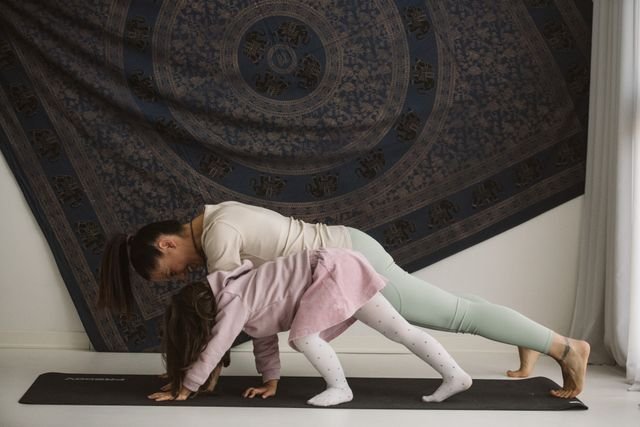
Have you sensed a change in the atmosphere of your yoga studio? You’re not mistaken. An increasing number of fitness-oriented mothers are swapping out traditional cumbersome, sand-filled tactical weight vests for streamlined, quiet silicone weighted vests.
Incorporating resistance into your yoga practice or during a brisk walk with a stroller is an excellent way to enhance bone density and increase calorie burn. However, conventional fitness gear often fails to accommodate the mindful and multifaceted lifestyle of today’s busy moms.
Why Are Moms Opting for Silent Silicone Weighted Vests in Their Yoga Routines?
The transition to silent silicone weighted vests represents a broader trend among wellness-focused mothers who demand mindfulness, comfort, and convenience in their fitness equipment. For years, women have had to adjust their exercises and bodies to accommodate the bulkiness of tactical gear created for different sports. By removing the noise of moving sand, the discomfort of ill-fitting designs, and the maintenance issues posed by moisture-wicking fabrics, silicone weighted vests transform resistance training from an awkward task into a fluid aspect of a mother’s active routine.
Ultimately, the shift to silicone vests aims to eliminate the barriers that frequently disrupt a wellness schedule. Whether seamlessly flowing through a morning yoga session without disturbing anyone, transitioning easily into a stroll with a baby, or getting to a school drop-off with the vest discreetly concealed beneath a cozy hoodie, this contemporary choice caters to both the physical aspirations and the practical considerations of motherhood. It illustrates that workout gear can be both impactful and unobtrusive, allowing mothers to concentrate fully on their strength, breathing, and presence.
1. Complete Silence (No Shaking Sounds)
Classic weighted vests are typically filled with iron sand, steel shot, or components like metal bars that can shift. Whether during sun salutations, dynamic flows, or brisk walks, these materials create distracting noises that can interrupt the tranquility of yoga practices and disturb napping children. In contrast, silicone vests employ a solid, molded design that ensures complete silence.
2. Ideal Contouring with No Movement Issues
Standard fitness vests often have a boxy design meant for upright runners, which can be problematic in yoga positions like Downward-Facing Dog (Adho Mukha Svanasana). They may slide, causing discomfort as they hit your chin or awkwardly shift weight. High-quality silicone vests feature a flexible, cross-back or ergonomic structure that conforms to the body, allowing for smooth movement through twists and inversions.
3. Odor-Resistant & Easily Cleaned
Activewear and yoga mats already accumulate plenty of sweat. Standard fabric or neoprene vests tend to soak up moisture, resulting in odors that are tough to eliminate. Silicone, being non-porous and naturally antimicrobial, allows for simple cleaning; a quick wipe with a damp cloth or a rinse in the shower instantly restores its freshness.
4. Discreet Under Hoodies
Moms often master the art of “athleisure transitions,” seamlessly moving from morning workouts to school runs or grocery shopping. Heavy tactical vests can look overly bulky and aggressive. In contrast, silicone vests maintain a low-profile silhouette, laying flat against the body and accommodating a favorite hoodie without the appearance of wearing armor.
5. Gentle and Comforting Against the Skin
In repeated motions, harsh nylon straps and bulky seams can irritate the skin, particularly under a tank top or sports bra. Medical-grade or soft-touch silicone surfaces are smooth, adaptable, and kind to sensitive skin, avoiding the friction burns commonly associated with traditional tactical fitness gear.
In Conclusion
For active mothers, fitness gear needs to match their dynamic lifestyle. The move toward silicone is not just about looks—it’s about eliminating the noise, hassle, and maintenance of outdated workout attire, allowing for complete focus on movement.
Guide for Fit Moms: Choosing the Right Weighted Vest for Your Lifestyle
Selecting a suitable weighted vest for women involves finding an ideal combination of comfort, practicality, and efficiency. Your movements will vary whether you’re chasing toddlers, walking the dog, or engaging in yoga, which makes traditional “tactical” vests meant for military training less than ideal.
1. Identify Your Primary Use
Your intended use will guide your choice of material and design:
- For Yoga, Pilates, and Mobility: Choose silicone or ultra-slim neoprene. A snug fit is essential to prevent movement during poses like Downward Dog or inversions.
- For Walking, Hiking, and Stroller Activities: Look for adjustability in weight and ease of access to pockets, ensuring comfort for longer wear, ideally with a place to securely hold your phone or keys.
- For High-Intensity Training and Home Workouts: Seek vests with secure, adjustable straps (such as cross-back or dual-buckle designs) to minimize bouncing during intense exercises.
2. Choose the Right Weight (The 10% Benchmark)
As a general guideline, for activities like walking, yoga, and cardio, your weighted vest should weigh about 5% to 10% of your body weight.
| Body Weight | Recommended Vest Weight Range | Recommended Starting Weight |
| 120 – 140 lbs | 6 – 14 lbs | 6 – 8 lbs |
| 141 – 160 lbs | 7 – 16 lbs | 8 – 10 lbs |
| 161 – 180 lbs+ | 8 – 18 lbs | 10 lbs |
Note: If your goal is to enhance bone density (a highly recommended practice for women’s long-term health) or to engage in gentle walking, a fixed weight of 8 lb or 10 lb is typically ideal for most mothers.
3. Look for a Fit Designed for Women
Most traditional weighted vests are designed in a broad, rectangular shape suited for men. For women, this can lead to uncomfortable pressure points or shifting. Pay attention to these specific design elements:
- X-Shape or Cross-Back Straps: These straps curve away from the chest and secure under the bust or around the waist to avoid painful compression.
- Adjustable Side Straps: Look for vests with fully adjustable straps to accommodate your unique waist-to-hip proportions.
- Short Torso Cuts: Opt for a vest that sits above your navel. Excess length can be restrictive during bending or squatting movements.
4. Prioritize Materials: Ease of Cleaning is Key
Regular use will likely result in dirt, sweat, and mess.
- Silicone: This is the top choice for modern fitness as it doesn’t absorb sweat, has no odor, and can be easily wiped or rinsed off quickly.
- Neoprene/Nylon: While soft and comfortable, these fabrics can absorb moisture. Ensure the brand specifies that it is machine washable (usually after removing weights) and avoid any with iron weights that may rust.
5. Fixed vs. Adjustable Weight Options
- Fixed Weight Vests: The weight is integrated into the vest’s structure (like molded silicone or sewn sand pockets). These are sleek, resemble regular clothing, and fit well under jackets, but you cannot change the resistance.
- Adjustable Weight Vests: These come with pockets for adding or removing weights. While they offer versatility as your strength increases, they tend to be bulkier and less discreet.
Quick Reference Guide for Moms
If you want a weighted vest that fits seamlessly into your busy life, aim for one under 10 lbs, with a cross-back or cropped fit, composed of easy-to-clean materials like silicone or washable neoprene.
Are you primarily looking to use a weighted vest for low-impact cardio, or do you plan to incorporate it into your strength and yoga practices?